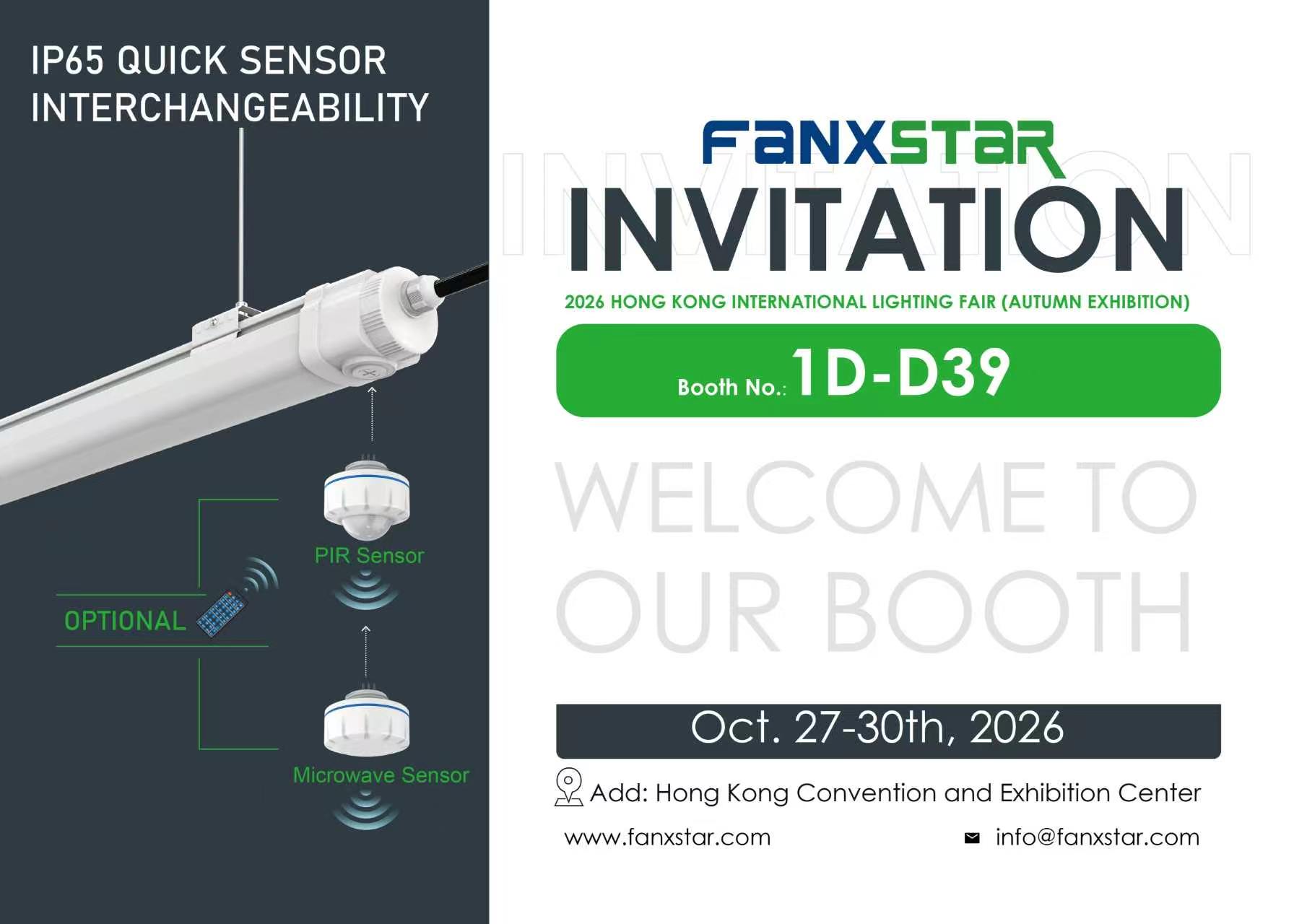
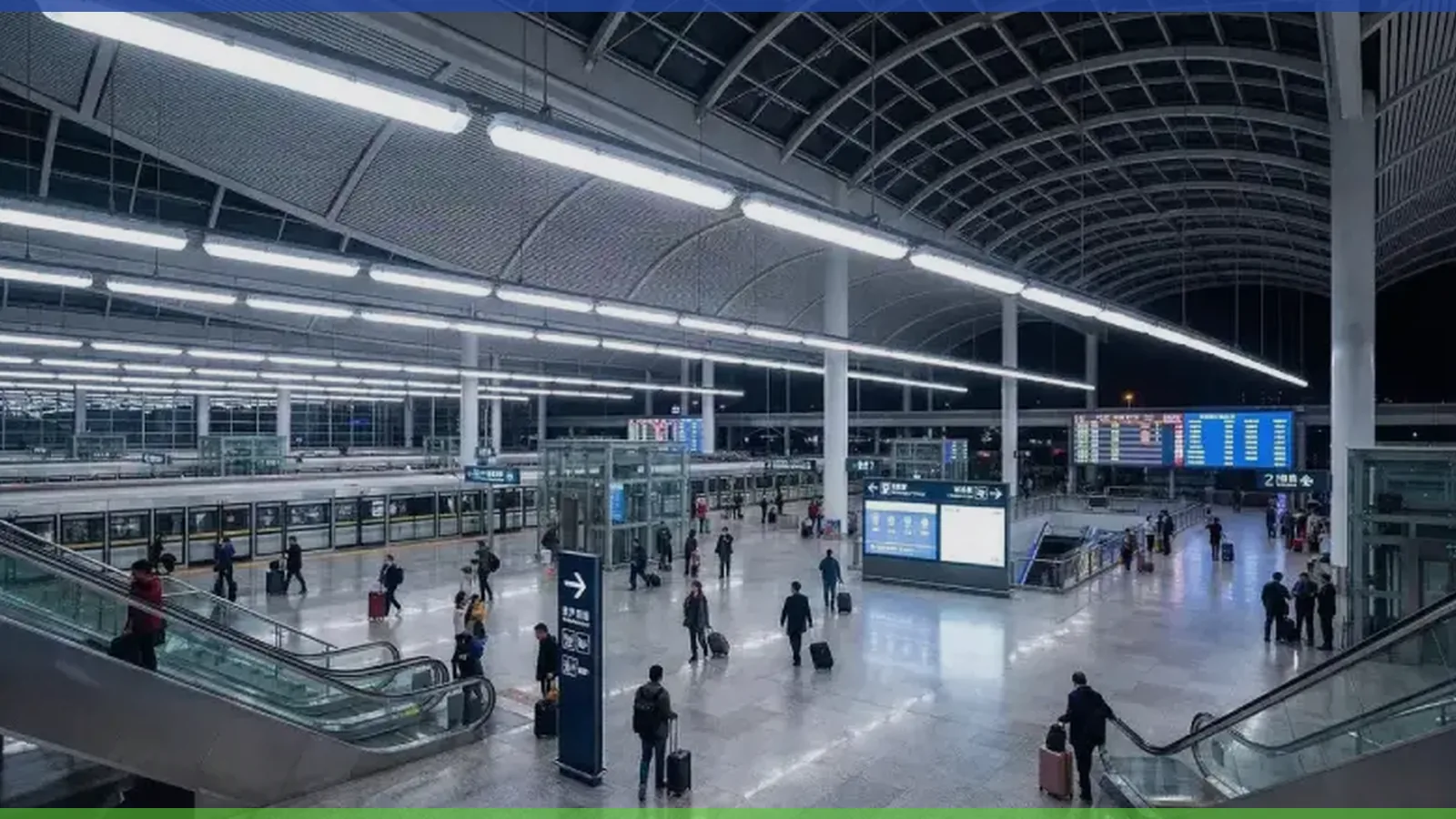
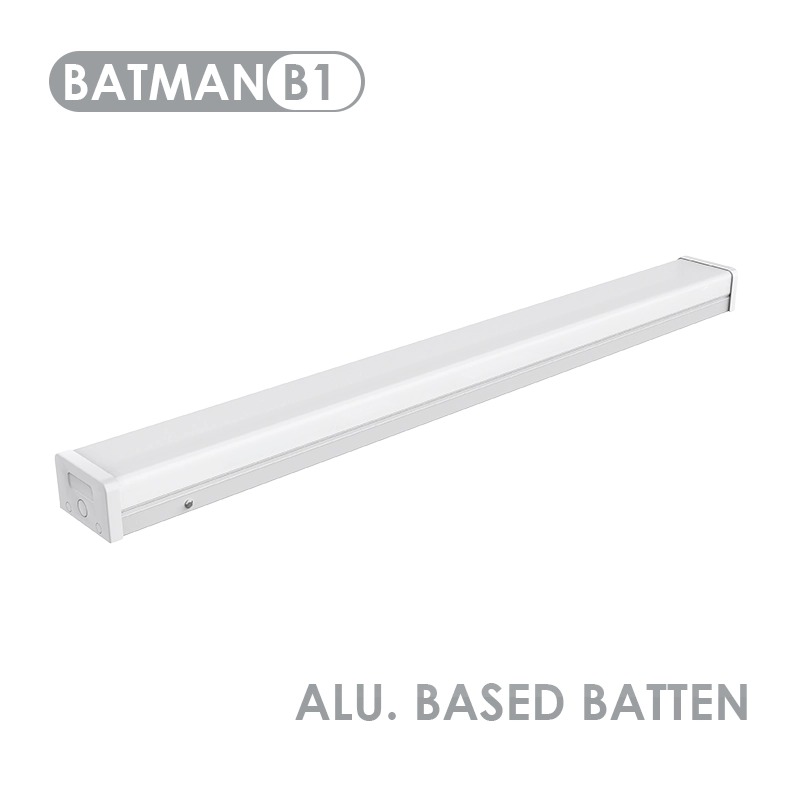
In the expansive logistics environments of modern high-ceiling warehouses, motion detection is the primary driver of energy efficiency and safety. However, the extreme mounting heights (often exceeding 10 meters) and complex layouts of high-rack systems render standard consumer-grade sensors ineffective. Facility operators must choose between two dominant sensing topologies: Passive Infrared (PIR) and Microwave (Radar). While both aim to eliminate “idle burn” by triggering demand-driven illumination, their underlying physics dictate their suitability for different warehouse zones.
Key Takeaways
-
Height Thresholds: PIR Highbay sensors are technically superior for extreme heights (10m – 15m), whereas standard Microwave units are optimized for mid-range mounting (5m – 10m).
-
Detection Physics: PIR relies on pyroelectric induction (heat signatures), while Microwave utilizes the Doppler Effect (radar reflections), enabling it to “see” through non-metallic obstacles.
-
Interference Mitigation: Microwave sensors are immune to airflow and temperature fluctuations but can be triggered by vibrating machinery or reflective metallic racks.
-
Precision Zoning: PIR sensors offer a “slotted” detection field, making them ideal for long, narrow aisles where cross-aisle triggers must be avoided.
-
Advanced Integration: Combining both technologies in “Dual-Tech” sensors provides the highest accuracy, reducing false-negatives in critical high-traffic areas.
Technical Core: How Motion Sensing Topologies Operate
Choosing the correct sensor requires a technical deep-dive into how these devices process movement. The industrial environment introduces variables like thermal gradients and metallic shielding that can compromise sensing integrity.
PIR (Passive Infrared) Detection Logic
PIR sensors are passive devices; they do not emit energy. Instead, they utilize a pyroelectric material to detect shifts in infrared radiation. When a warm object (like a worker or a forklift engine) moves across the sensor’s field of view, it crosses the “slots” defined by a Fresnel lens. This causes a differential voltage that triggers the light. In a high-ceiling context, specialized Highbay PIR lenses are used to concentrate these detection zones on the floor level, maintaining sensitivity at heights up to 13 meters.
Microwave (Radar) Detection Logic
Microwave sensors are active devices that emit low-power electromagnetic waves (typically 5.8 GHz). They utilize the Doppler Effect: waves bounce off objects and return to the sensor. If an object is moving, the frequency of the returned wave shifts. The sensor analyzes this frequency deviation to trigger the luminaire. Because radar waves can penetrate non-metallic materials, these sensors are unrivaled in loading docks or areas with curtains and partitions.
|
Metric |
PIR Sensor (Passive) |
Microwave Sensor (Active) |
|---|---|---|
|
Sensing Method |
Heat Signature Variation |
Radar Wave Reflection |
|
Line-of-Sight |
Mandatory |
Not Required (Penetrates barriers) |
|
Ceiling Height Limit |
High (Up to 15m with Highbay lens) |
Moderate (Optimal 5m-10m) |
|
Temp. Sensitivity |
High (Affected by ambient heat) |
Negligible |
|
Power Draw |
Very Low (<0.5W) |
Moderate (1W – 2W) |
Performance Benchmarks by Mounting Height
Ceiling height is the most significant constraint in warehouse sensor performance. As height increases, the detection area expands, but the “signal-to-noise ratio” weakens. For extreme high-clearance zones (above 10 meters), PIR sensors with multi-faceted lenses provide a sharper “cut-off” zone. This prevents the “ghost trigger” problem where movement in an adjacent aisle turns on the lights unnecessarily.
In mid-range zones (6 to 8 meters), Microwave sensors are often preferred for their 360-degree detection field. They provide a continuous “bubble” of sensitivity, ensuring that as soon as a forklift rounds a corner, the lights are already at 100% brightness. This proactive path lighting is vital for maintaining warehouse throughput and safety.
“In a high-rack system, the racking acts as a metallic shield. A PIR sensor must be placed directly above the aisle, whereas a properly tuned microwave sensor can often monitor the aisle entrance through shelving or pallets.”
Reliability and False Alarm Mitigation
False triggers represent a significant drain on a facility’s Energy ROI. In unconditioned warehouses, thermal drafts can fool a PIR sensor into “seeing” a heat source. Conversely, a Microwave sensor might detect the movement of a large industrial fan or a vibrating conveyor belt, keeping the lights on in an empty building.
Mitigation Strategies for Facility Managers:
-
Sensitivity Calibration: Modern digital sensors allow for granular sensitivity adjustments (e.g., 25%, 50%, 100%) to match the specific noise floor of the zone.
-
Time Delay Optimization: Set a shorter “hold time” (e.g., 30 seconds) for high-traffic aisles and a longer time for storage zones to balance savings with user safety.
-
Daylight Harvesting: Integrate Dual-PD photocells that prevent artificial light from triggering when natural sunlight through skylights provides sufficient lux levels.
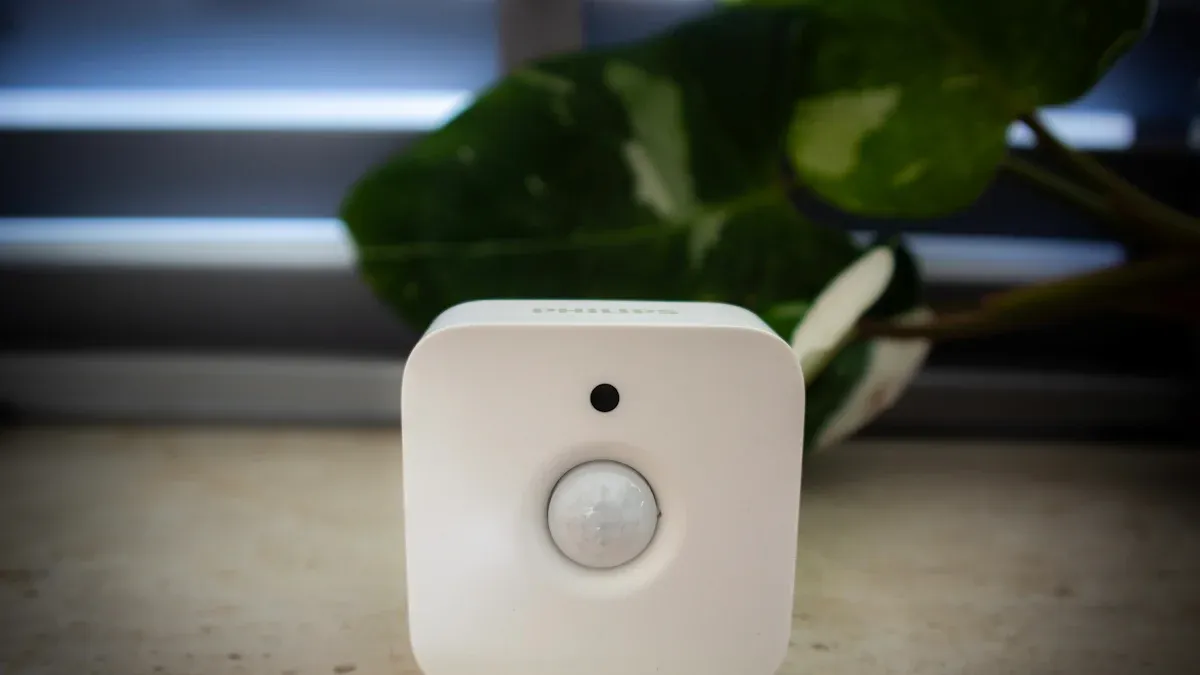
Economic Analysis: CAPEX vs. OPEX
PIR sensors generally offer the lowest initial Capital Expenditure (CAPEX), making them the default choice for large-scale new builds. However, for retrofit projects where wiring is limited, the broader coverage of a single Microwave sensor can replace three PIR units, reducing the total project cost. Over a 5-year cycle, the energy savings from demand-driven lighting often pay for the sensor upgrade within 18 months.
|
Sensing Strategy |
Installation Effort |
Energy Savings Yield |
Typical ROI |
|---|---|---|---|
|
Aisle-Specific PIR |
Moderate (Multiple nodes) |
High (Zonal precision) |
12-18 Months |
|
Open-Area Microwave |
Low (Fewer nodes) |
Medium-High |
14-20 Months |
|
Networked Dual-Tech |
High (Smart infrastructure) |
Highest (Predictive) |
24-30 Months |
Selection Framework: Choosing the Right Sensor for Each Zone
To optimize your industrial lighting infrastructure, follow this zonal recommendation framework:
-
High-Rack Picking Aisles: Use Highbay PIR. Its vertical precision prevents false triggers from adjacent racks and maintains sensitivity at 12m+ heights.
-
Loading Docks & Open Storage: Use Microwave Radar. Its wide-angle 360-degree coverage and ability to see around stacked pallets ensure safety during rapid transit.
-
Mezzanines & Low-Clearance Labs: Use PIR. In smaller rooms, the line-of-sight requirement is easy to meet, and the lower cost provides a better ROI.
-
Extreme Temperature Zones (Cold Storage): Use Microwave. PIR performance degrades in extreme cold or near heat-producing machinery; radar remains technically stable from -20°C to 45°C.

Conclusion: A Proactive Luminous Infrastructure
Selecting the right sensing technology is a critical component of warehouse Power Usage Effectiveness (PUE). By matching the sensing physics—PIR for vertical precision and Microwave for open-area versatility—facility managers can secure a safe, responsive, and high-efficiency environment. As the industry moves toward IoT-enabled “Smart Warehouses,” the role of these sensors will only grow, providing the data necessary for advanced predictive path lighting and facility-wide automation.
Frequently Asked Questions (FAQ)
Why does my PIR sensor fail to detect people in cold storage?
PIR sensors detect the temperature difference between a human body and the background. In extreme cold, if a worker is wearing heavy insulated clothing, their external “heat signature” may be too low for a standard PIR sensor to recognize. Microwave sensors are unaffected by temperature and are preferred for cold storage.
Can Microwave sensors interfere with other warehouse equipment?
It is highly unlikely. Most industrial microwave sensors operate at very low power in the license-free 5.8 GHz ISM band, which is designed not to interfere with Wi-Fi, RFID, or heavy industrial machinery.
How does mounting height affect the detection range?
As you mount a sensor higher, the detection “cone” on the floor widens, but the sensitivity decreases. For ceilings above 10m, you must ensure the fixture uses a specialized “Highbay” lens specifically engineered to focus the infrared or radar signals over that distance.
Are these sensors compatible with old fluorescent fixtures?
While external sensors can be wired to older ballasts, it is not recommended. Legacy fluorescent lights require a “warm-up” period and degrade quickly under frequent on/off switching. The best ROI is achieved by pairing sensors with “Instant-On” high-efficacy LED linear lights.
What is “Dual-Tech” sensing?
Dual-Tech sensors combine both PIR and Microwave technology into one unit. They typically require both sensors to detect movement to turn the lights on, but only one to keep them on. This virtually eliminates false triggers from airflow or vibration.
Ready to optimize your facility’s energy consumption? Explore Fanxstar’s Smart Occupancy Solutions and future-proof your warehouse today.