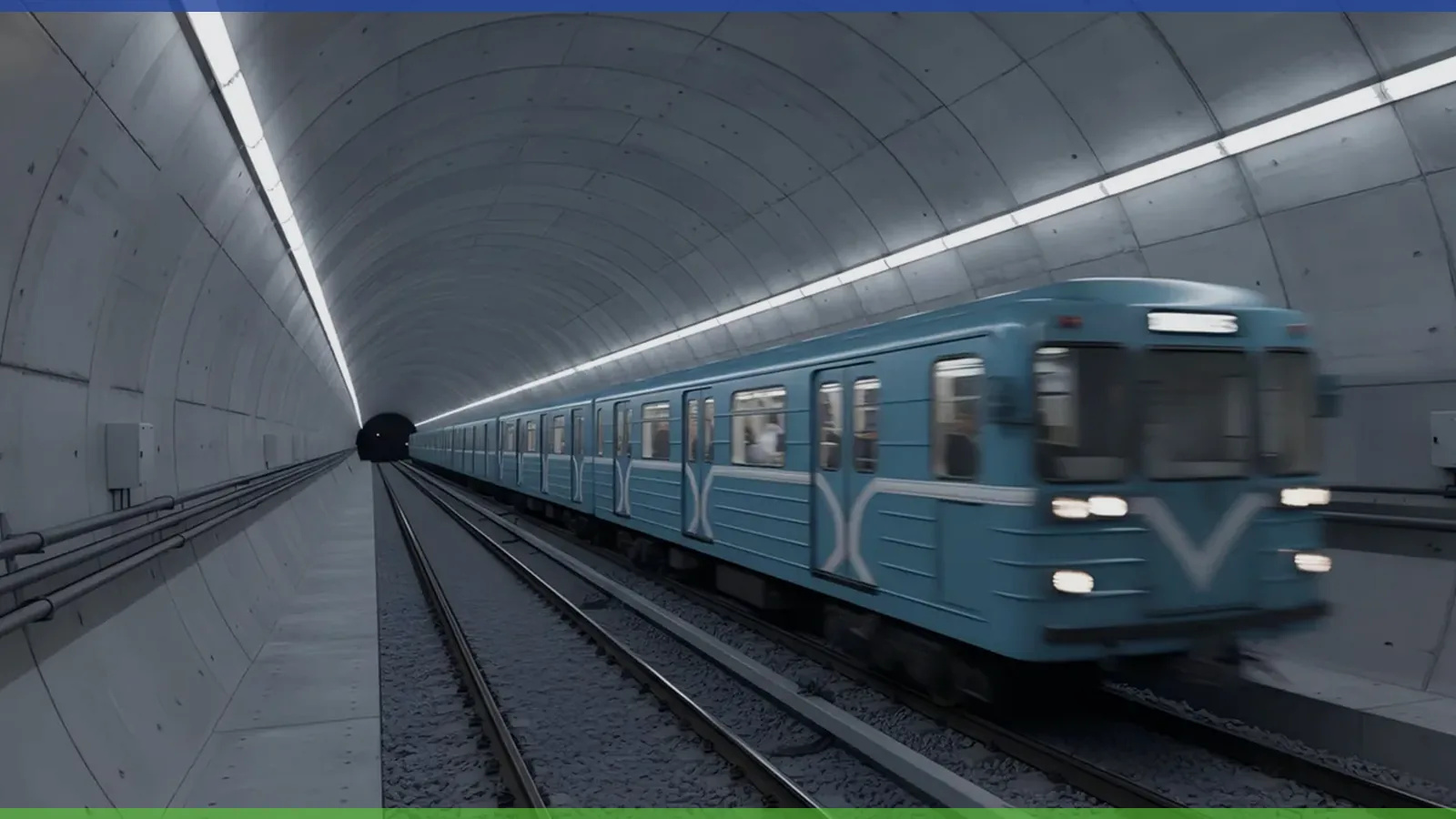
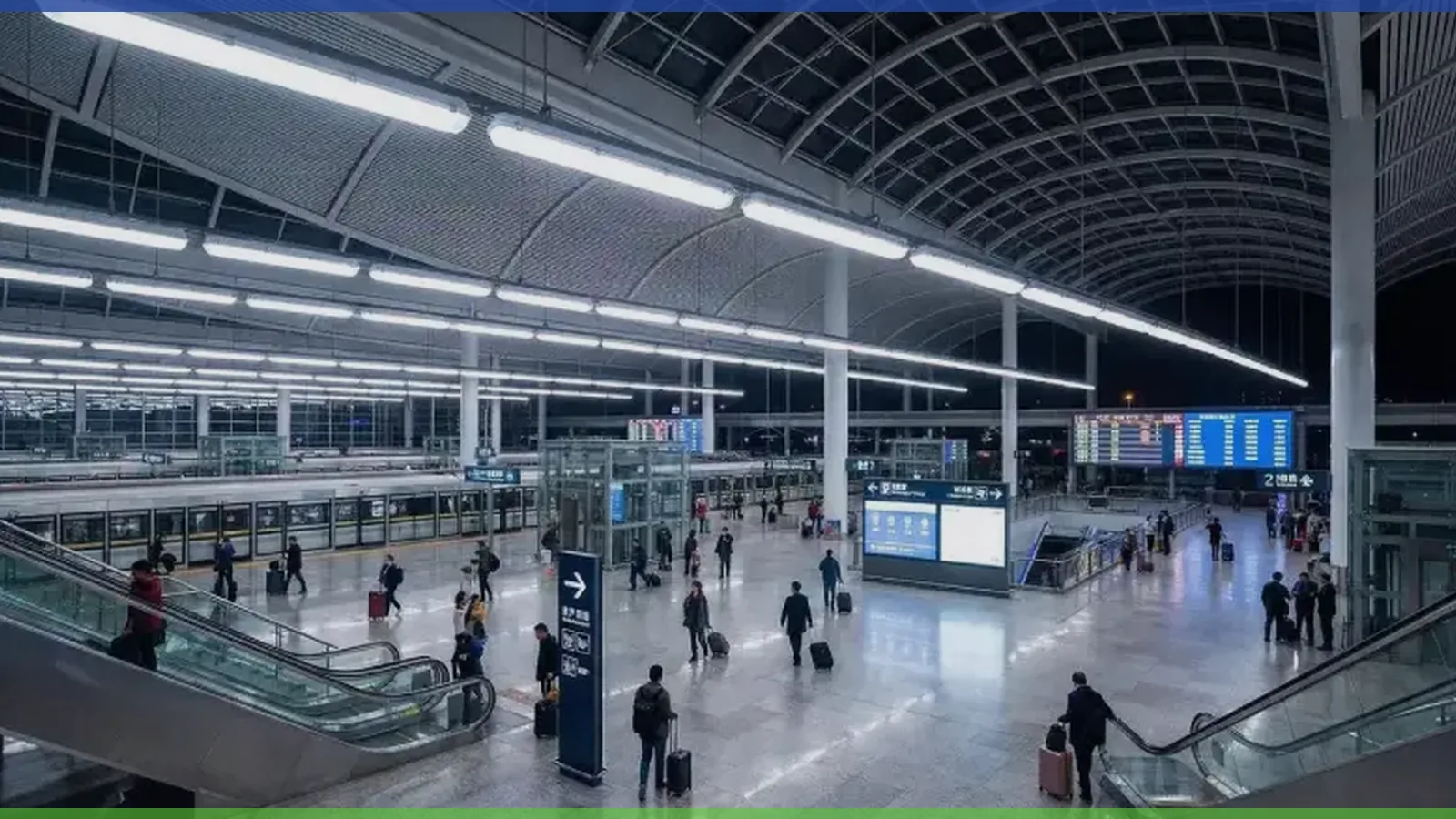
In the technical environment of a sub-surface parking facility, lighting is a primary driver of safety, security, and operational efficiency. Unlike surface-level structures, underground garages face unrelenting humidity, metallic dust, and chemical exhaust from vehicles. These conditions require vapor-tight, hermetically sealed luminaires that exceed standard durability benchmarks. As we look toward 2026, the transition to high-efficacy, demand-driven LED systems has become mandatory for meeting both sustainability goals and safety regulations. This technical review analyzes the top 5 LED tri-proof solutions currently redefining the standard for industrial parking illumination.
Key Takeaways
-
Durability Mandate: A minimum rating of IP66 and IK10 is recommended to survive high-pressure cleaning and mechanical impacts from vehicles.
-
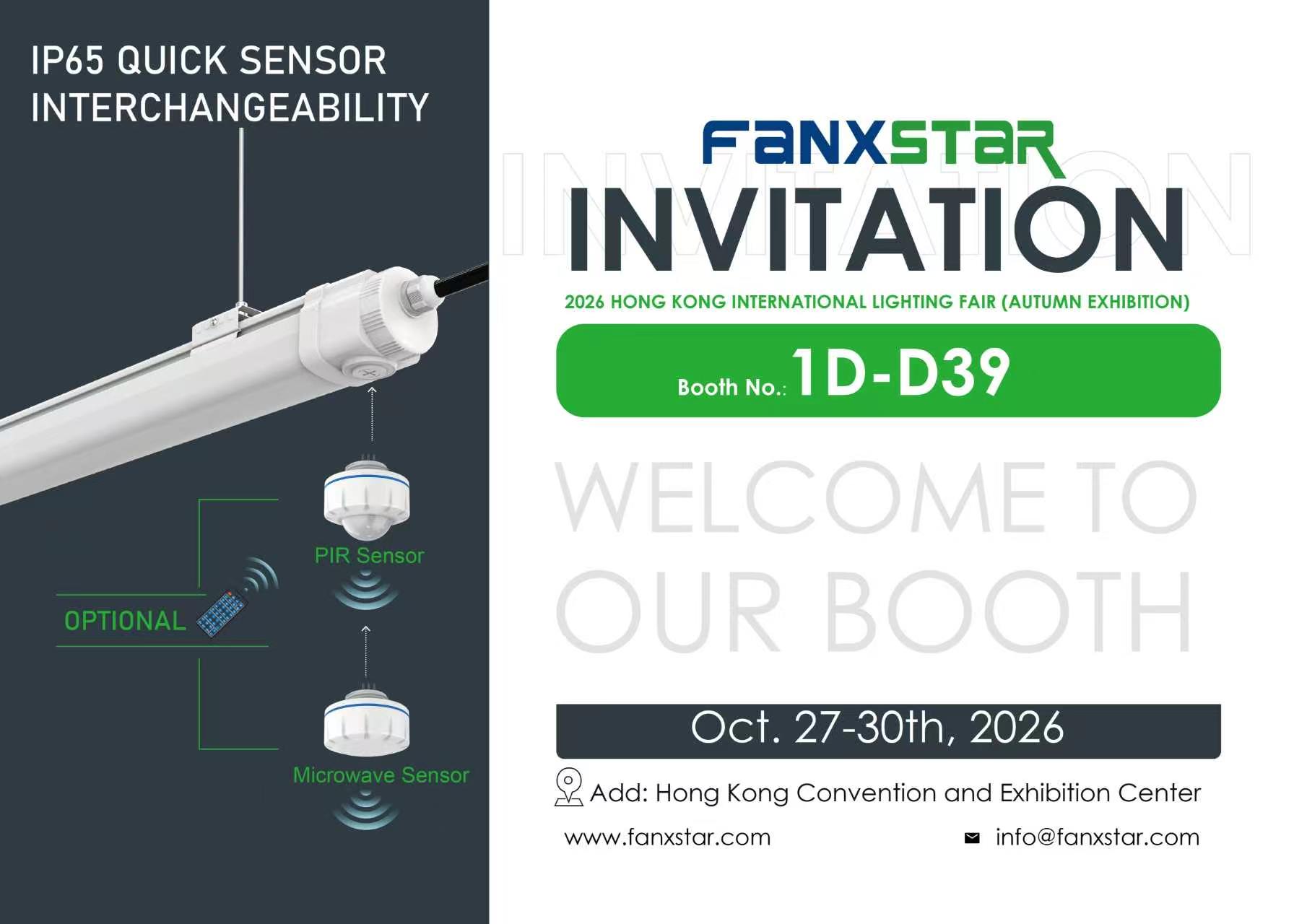
Sensing Excellence: Microwave (5.8G) sensors provide superior occupancy detection through obstacles compared to standard PIR heat-based sensors.
-
Emergency Standards: High-power emergency modules with LiFePO4 batteries are the professional choice for reliable 90-minute safety illumination.
-
Energy Optimization: Top-tier fixtures like the Trilamp A3 now reach 185 lm/W, delivering up to 80% energy savings over legacy fluorescent tubes.
-
Operational ROI: Intelligent networking and “Predictive Path Lighting” significantly improve driver experience and reduce facility-wide maintenance tickets.
Technical Standards for Sub-Surface Environments
Designing a luminous environment for a sub-surface facility requires an engineering focus on Ingress Protection (IP) and Impact Resistance (IK). Standard fixtures often suffer from “Electrochemical Migration”—where moisture enters the housing and causes internal traces to fail. Professional-grade tri-proof LED solutions utilize foamed-in silicone gaskets and stainless steel clips to maintain a permanent vapor-tight seal.
|
Technical Rating |
Physical Requirement |
Application Benefit |
|---|---|---|
|
IP66 |
Dust-tight and resistant to powerful water jets |
Protection during high-pressure deck cleaning |
|
IP67 / IP68 |
Withstands temporary or continuous immersion |
Essential for flood-prone elevator pits or ramps |
|
IK10 |
Protected against 20 joules of impact |
Resists mechanical shock from vehicles and equipment |
|
L80B10 |
80% lumen maintenance over 74,000 hrs |
Ensures stable brightness over a decade of use |
Top 5 LED Tri-proof Light Reviews for 2026
1. Trilamp A1S – The Industrial Value Benchmark
The Trilamp A1S is engineered for facility managers who prioritize reliable uptime and budget efficiency. It features an IP66/IK10 reinforced polycarbonate housing, ensuring it remains shatterproof in high-traffic zones. A key technical feature is the integrated 5.8G Microwave sensor, which provides 360-degree detection with adjustable “Hold Time” and “Standby Dimming” settings. This demand-driven approach reduces energy waste by up to 60% compared to always-on systems. The A1S is the ideal choice for massive multi-level decks where “Total Cost of Ownership” (TCO) is the primary constraint.
2. Trilamp A18 – The Integrated Smart Ecosystem
For facilities requiring advanced energy management, the A18 is an all-in-one technical powerhouse. It integrates the LED driver, microwave sensor, and emergency converter into a single, slim-profile chassis. Utilizing “Dual PD” (Photodiode) technology, the sensor distinguishes between natural sunlight and artificial light, allowing for Daylight Harvesting near ramps and entrances. Its emergency system utilizes high-stability LiFePO4 batteries managed by an intelligent BMS, providing 3 hours of safe egress illumination. With a luminous efficacy of 160 lm/W, the A18 maximizes every watt of power.
3. Trilamp A8 – High-Power Emergency Reliability
Safety is the primary mission of the Trilamp A8. This fixture is designed for high-occupancy garages where emergency illumination levels must exceed the 1 foot-candle minimum. The A8 offers selectable high-power emergency modes (15W to 30W), ensuring visibility even in large open bays. Technical resilience is achieved through a wide-area internal AL6063 aluminum cooling plate, which prevents driver overheating during continuous operation. The A8 also supports DALI dimming and wireless RF grouping for synchronized zone control.
4. Batman B2 – The Aisle and Corridor Specialist
The Batman B2 series is the industry standard for long-aisle applications. Its unique “Shadow-free Antenna” design ensures that the sensor does not block the light source, resulting in homogenous light distribution. The B2 allows for high-voltage splicing, permitting up to 60 meters of continuous lighting on a single electrical feed. This “Daisy-Chain” capability slashes installation labor by 40%. Engineered with an aluminum base and a 94V0 fire-rated diffuser, the B2 is rated for an exceptional 74,000-hour service life at L80.
5. Trilamp TLA3 – High-Efficacy Seamless Design
The TLA3 represents the cutting edge of industrial optics, reaching a market-leading 185 lm/W. Its Seamless Splicing technology allows fixtures to be connected end-to-end without visible gaps or “dark zones.” This creates an uninterrupted ribbon of light that significantly improves the architectural aesthetic of premium commercial garages. The TLA3 features a tool-free replaceable battery pack, allowing maintenance teams to swap modules in seconds, further reducing long-term service labor costs.
“In a 2026 facility, the sensor is just as important as the LED chip. Microwave sensors act like a proactive guide for drivers, turning on lights before the car rounds the corner, unlike PIR sensors which are reactive.”
Comparative Analysis: Finding Your Optimal Fit
|
Product Model |
Efficacy (lm/W) |
Smart Technology |
Primary Protection |
Best Use Case |
|---|---|---|---|---|
|
Trilamp A1S |
125 lm/W |
Basic Microwave |
IP66 / IK10 |
Budget-Focused Decks |
|
Trilamp A18 |
160 lm/W |
Dual PD / HCL |
IP65 / IK10 |
Feature-Rich Smart Hubs |
|
Trilamp A8 |
160 lm/W |
RF / DALI 2.0 |
IP66 / IK10 |
High-Safety & Emergency |
|
Batman B2 |
140 lm/W |
Slim Antenna |
IP66 / IK10 |
Long Corridor Series |
|
Trilamp TLA3 |
185 lm/W |
Seamless Splice |
IP66 / IK08 |
Maximum Energy Savings |
ROI Breakdown: The Cost of Modernization
Upgrading to advanced LED tri-proof fixtures is a high-yield capital improvement. For a standard 300-fixture garage, the transition from T8 fluorescents typically saves over 39,000 kWh annually. At an average industrial utility rate of $0.12/kWh, this yields roughly $4,700 in direct yearly savings. When combined with the avoidance of bulb/ballast replacement labor, the simple payback period for a Fanxstar system is often under 36 months.
Installation Best Practices
-
Conduct a Photometric site audit: Measure existing lux levels. Aim for a target of 75 to 150 lux for general areas to enhance pedestrian safety.
-
Verify Wiring Topology: Utilize loop-in, loop-out wiring to reduce electrical home-runs and installation labor time.
-
Assess Ventilation: While LED runs cool, ensure AL6063 aluminum fixtures are not obstructed to maintain optimal junction temperatures.
-
Safety First: Ensure all emergency modules are tested using the fixture’s automated self-test protocol prior to project handover.
Conclusion: Future-Proofing Parking Assets
The 2026 landscape of underground parking lighting is defined by durability, intelligence, and integration. While the Trilamp A1S offers unparalleled value, the A8 and A18 series provide the advanced sensing and emergency capabilities required for high-occupancy transit and hospital structures. By matching the technical features—such as IP66 protection, IK10 impact resistance, and LiFePO4 batteries—to your facility’s risk profile, you secure a safe, efficient, and visually inviting environment. Upgrading to a high-standard tri-proof LED infrastructure is the most effective way to optimize your facility’s long-term ROI.
Frequently Asked Questions (FAQ)
What is the main difference between IP65 and IP66 for parking garages?
IP65 protects against low-pressure water splashes. IP66 is more robust, protecting against “powerful water jets” from any angle—essential if the garage undergoes frequent high-pressure power washing.
Why is IK10 impact resistance mandatory for underground parking?
Underground garages often have low ceilings. Fixtures are at high risk of being hit by antennas, oversized vehicles, or maintenance tools. An IK10 rating ensures the housing can withstand a 20-joule impact without shattering.
How do Microwave sensors differ from PIR sensors in a garage?
PIR sensors require a direct line of sight to detect heat signatures. In a garage with pillars and blind corners, Microwave sensors are superior because they emit radio waves that can “see” around obstacles, ensuring lights turn on proactively.
What is the standard warranty for a professional LED tri-proof light?
Reputable manufacturers like Fanxstar provide a standard 5-year warranty, with premium models (like the Batman B2) offering up to 7-10 years based on the high-purity materials used.
Are these fixtures compatible with smart building automation?
Yes. Many Fanxstar tri-proof models support DALI 2.0, 0-10V dimming, and RF grouping, allowing full integration with modern Building Management Systems (BMS).
Ready to secure your facility’s ROI? Explore Fanxstar’s High-Performance LED Portfolio and find the perfect fit for your garage today.