Emergency lighting fixtures protect you and your team during any emergency in the workplace. Poor lighting increases the risk of trips, falls, and confusion, especially when visibility drops during a power cut or evacuation. In the UK, regulations such as BS 5266-1 require you to install and maintain emergency lighting for safety and legal compliance. Fanxstar provides trusted solutions that help you maintain reliable lighting and meet all standards. Assess your emergency lighting systems to ensure full compliance and safety at all times.
Key Takeaways
Emergency lighting fixtures are essential for guiding safe evacuations during power outages. They illuminate escape routes, reducing the risk of accidents.
Regular testing and maintenance of emergency lighting systems are crucial. Monthly checks and annual professional inspections ensure reliability and compliance with safety regulations.
Compliance with UK safety standards, such as BS 5266-1, is mandatory. Proper installation and maintenance of emergency lighting protect your workplace and avoid legal issues.
Choosing emergency lighting with advanced functionality and repairable designs can lower costs and improve reliability. Customisable options ensure adequate coverage for your specific needs.
Investing in professional installation and routine maintenance strengthens fire safety measures. This proactive approach protects lives and reduces liability risks.
Emergency Lighting Fixtures and Workplace Safety
Preventing Accidents
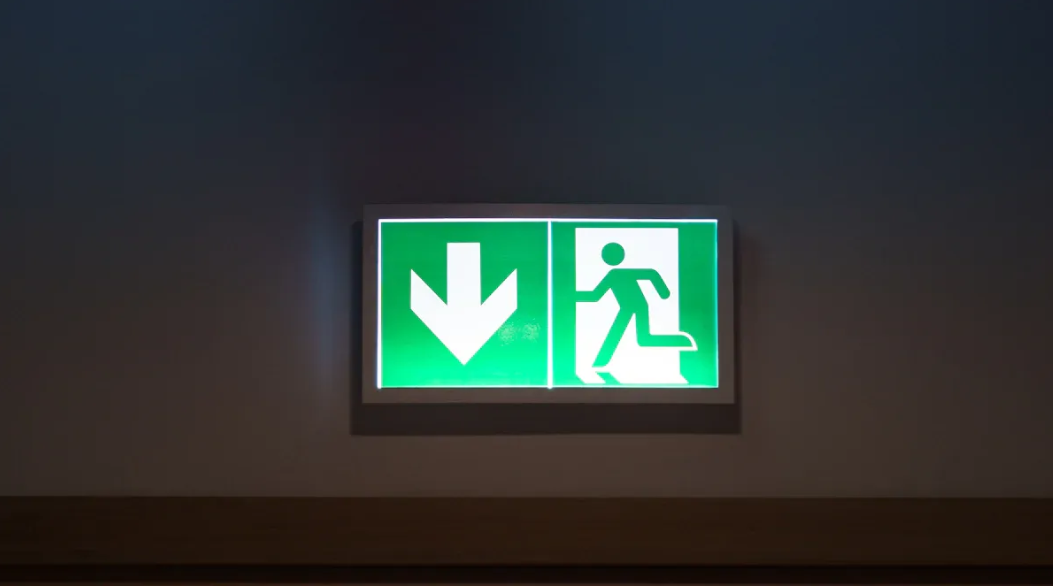
You face many risks in the workplace during emergencies, especially when lighting fails. Emergency lighting fixtures play a vital role in maintaining workplace safety. These fixtures provide sufficient illumination when power outages occur, making it easier for you to navigate escape routes and avoid hazards. Emergency lighting reduces confusion and panic, guiding you towards exits and preventing injuries.
Emergency lighting illuminates escape routes, helping you find your way out during a power outage.
It ensures continuity of operations in critical environments, preventing harm or data loss.
Compliance with safety regulations requires the installation of emergency lighting, which enhances overall safety.
Clear illumination from emergency lighting helps reduce panic and confusion during emergencies.
You benefit from reduced risks of slips, trips, and falls when emergency lighting fixtures operate correctly. Adequate lighting supports better concentration and allows you to work more accurately, even during an emergency situation. Emergency lighting fixtures, such as exit lights and emergency escape lights, indicate exit locations and illuminate escape routes. High-intensity discharge lights and floodlights provide bright illumination in large areas, preventing accidents in warehouses, factories, parking lots, and walkways during power outages. Low-level path lighting guides you along escape routes, reducing the risk of tripping or falling during evacuations.
Emergency lighting is essential for ensuring safe exits during emergencies. It illuminates stairways and passageways, reducing the risk of trips and falls in low visibility conditions. When visibility drops due to smoke or darkness, well-lit pathways are vital for safe evacuation.
Fanxstar offers emergency lighting fixtures with advanced emergency functionality, external emergency packs, and customisable configurations. You can select fixtures designed for repairability and replaceability, which helps reduce inventory costs and ensures long-term reliability. Fanxstar solutions enhance workplace safety and support compliance with fire safety regulations.
Safe Evacuation
Safe evacuation depends on clear emergency routes and reliable emergency lighting. During an emergency situation, visibility can be severely compromised. Emergency lighting fixtures guide you safely to exits, preventing injuries and supporting fire safety precautions. Sufficient illumination is crucial when panic may lead to poor visibility due to smoke or darkness.
Emergency lights provide sufficient illumination for safe evacuation during emergencies.
Emergency escape lights ensure escape routes remain visible, reducing the risk of accidents in low visibility.
Exit lights indicate exit locations, helping prevent confusion or panic.
Floodlights and high-intensity discharge lights illuminate large areas, supporting safe evacuation in industrial settings.
Case studies highlight the importance of emergency lighting in fire safety. The London Underground Kings Cross 1987 fire demonstrated the tragic consequences of poor emergency preparedness and inadequate lighting, resulting in 31 fatalities. The Grenfell Tower fire in 2017 showed the necessity of clear evacuation routes and emergency lighting in high-rise buildings. These incidents underline the need for effective emergency lighting fixtures to facilitate safe evacuation and protect lives.
You must prioritise fire safety precautions and workplace safety by ensuring emergency lighting fixtures are installed, maintained, and regularly tested. Fanxstar provides solutions that meet fire safety standards and offer customisable options to suit your specific needs. Emergency lighting fixtures designed for repairability and replaceability help you manage costs and maintain safety during emergencies.
Legal Requirements for Emergency Lighting
UK Safety Standards
You must follow strict legal requirements for emergency lighting in the workplace. UK regulations, such as BS 5266-1, set clear standards for fire safety systems. These rules ensure that you install and maintain emergency lighting to protect everyone during an emergency. Meeting legal requirements is not optional. You must provide reliable lighting that supports safe evacuation and fire safety at all times.
Fire safety regulations demand that you assess your building layout and update your emergency lighting when changes occur. You must also ensure that your fire safety systems, including emergency lighting, remain operational through regular testing. Proper documentation of all inspections and maintenance is essential for meeting legal requirements and demonstrating compliance.
Compliance Risks
Failing to meet legal requirements for emergency lighting can lead to serious consequences. You risk fines, legal action, and increased insurance costs if you neglect fire safety systems. Regular inspection and maintenance help you avoid these problems and keep your workplace safe.
The most common compliance risks include:
Compliance Risk | Description |
|---|---|
Maintenance Oversights | Regular inspections and accurate recordkeeping are essential to avoid failures during incidents. |
Improper Installation | Using unlicensed contractors or generic lighting can lead to fines and insurance issues. |
Unclear Responsibilities | Confusion between landlords and tenants can result in neglected systems. |
Failure to Update Lighting | Changes in building layout require reassessment of emergency lighting to ensure safety. |
Neglecting Documentation of Testing | Without proof of maintenance, businesses may breach regulations despite functioning systems. |
You must address these risks to ensure your fire safety systems work when needed. Fanxstar supports you in meeting legal requirements by offering professional installation, emergency lighting with advanced emergency functionality, and external emergency packs. You can choose fixtures with customisable configurations and repairable designs, which help you reduce inventory costs and maintain compliance. Fanxstar’s expertise ensures your fire safety systems always meet the latest regulations and keep your workplace protected.
Maintaining Emergency Lighting Systems
Regular Testing
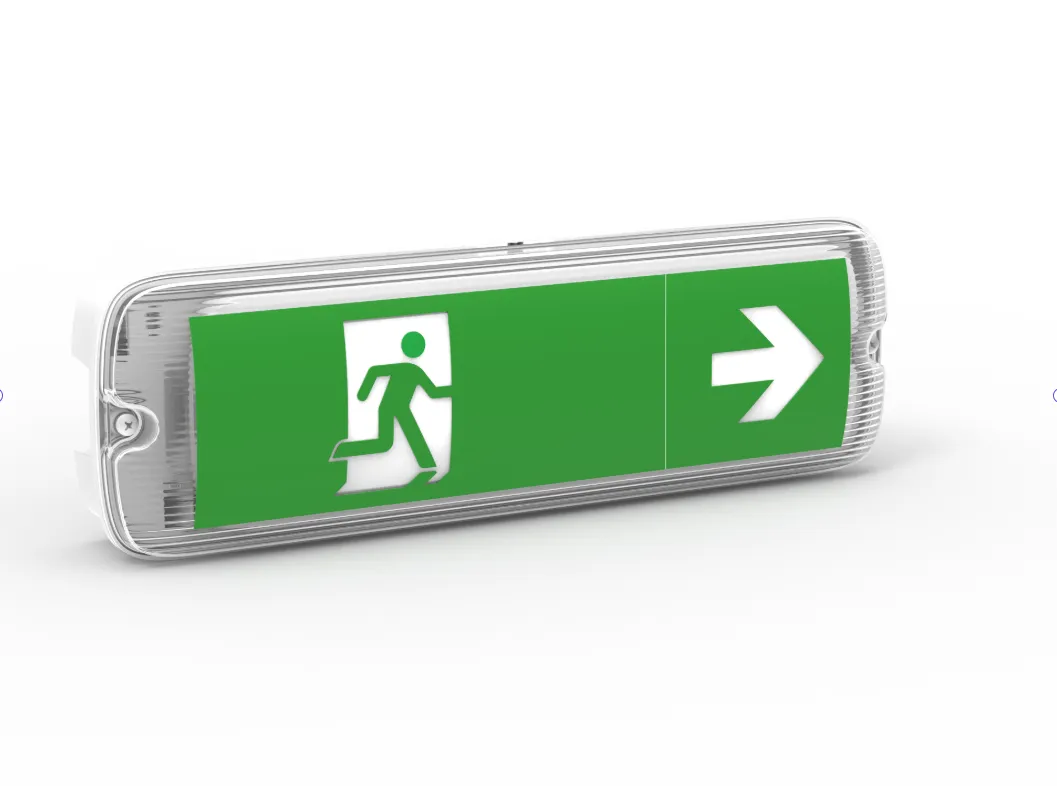
You must treat emergency lighting maintenance as a core part of your fire safety and fire protection strategy. Regular testing ensures that your emergency lighting will function correctly during an emergency, supporting safe evacuation and compliance with fire safety regulations. You should follow a structured schedule for testing:
Monthly: Carry out a quick function test by switching off the main power. Confirm that all emergency lights activate and provide adequate illumination.
Every Six Months: Complete a thorough inspection and test each light for its full rated duration, usually 90 minutes or three hours. This step checks battery performance and overall reliability.
Annually: Arrange for a licensed electrician to conduct a comprehensive check. This includes battery testing, lamp inspection, and a review of compliance with fire safety standards.
Tip: Incorporate emergency lighting maintenance into your workplace fire protection procedures. This proactive approach helps you avoid unexpected failures and costly repairs.
Common issues you may discover during routine testing include battery failures, lamp burnouts, wiring problems, and improper installation. Addressing these problems promptly ensures your emergency lighting provides reliable illumination when you need it most. Regular emergency lighting maintenance also helps you avoid legal liabilities and operational shutdowns after inspections.
Professional Installation
Professional installation plays a vital role in fire safety and fire protection. When you choose expert services, you benefit from:
Customised solutions based on your building’s layout and risk profile.
Scheduled maintenance and testing that minimise disruption to your operations.
Detailed record-keeping for audits and compliance checks.
Early detection of faults, preventing costly system failures.
Fanxstar offers emergency lighting fixtures with advanced emergency functionality, external emergency packs, and configurations tailored to your needs. You can select repairable and replaceable fixtures, which reduce inventory costs and simplify emergency lighting maintenance. Professional support ensures your fire protection systems remain reliable and effective, safeguarding your workplace and supporting fire safety at all times.
Description | |
|---|---|
Install in Essential Areas | Place emergency lighting in exits, stairways, and escape routes for safe evacuation. |
Backup Power Usage | Ensure reliable backup power for operation during outages. |
Regular Testing and Maintenance | Conduct monthly and annual testing to verify functionality and compliance. |
Optimal Placement and Coverage | Position lights for adequate illumination without glare. |
Adherence to Local Codes | Comply with local fire safety regulations for installation and maintenance. |
Monitoring and Notification Systems | Use systems that alert you to malfunctions for prompt emergency lighting maintenance. |
By investing in regular testing, professional installation, and ongoing emergency lighting maintenance, you strengthen your fire protection and fire safety measures. This approach not only protects lives but also delivers long-term savings by preventing costly repairs and reducing liability risks.
You rely on emergency lighting fixtures to guide everyone safely during an emergency. These systems illuminate escape routes and exits, reducing confusion and supporting safe evacuation. Regular maintenance and compliance with safety standards keep your lighting reliable and your workplace protected.
Emergency lighting fixtures provide essential illumination for stairwells, corridors, and exits.
Routine checks and professional advice from Fanxstar help you maintain safety and meet legal requirements.
Choose lighting with emergency functionality, external emergency packs, and repairable designs to lower costs and improve reliability.
Take action now—review your emergency lighting and ensure your workplace stays safe.
FAQ
What makes emergency lighting fixtures with emergency functionality important?
You gain peace of mind with fixtures that activate automatically during power failures. These lights ensure safe evacuation and meet legal standards. Emergency functionality keeps escape routes visible, even in total darkness.
How do external emergency packs benefit your lighting system?
External emergency packs provide backup power for your fixtures. You can maintain illumination during outages. This feature supports compliance and ensures your lighting system remains reliable in critical situations.
Can you customise emergency lighting to fit your building’s needs?
Yes, you can select configurations based on your building layout and risk profile. Customisable options allow you to address unique requirements, ensuring every area receives adequate coverage for safe evacuation.
Why should you choose repairable and replaceable fixtures?
Repairable and replaceable fixtures help you reduce inventory costs. You can fix or swap components instead of replacing entire units. This approach supports sustainability and keeps your emergency lighting system cost-effective.
How often should you test and maintain emergency lighting?
You should test emergency lighting monthly and arrange professional inspections annually. Regular maintenance ensures your system works when needed and keeps you compliant with safety regulations.