An industrial downlight gives you a powerful lighting solution with a recessed design that directs light straight down. You notice its clean, modern look in large spaces where strong visibility matters. Unlike standard lighting fixtures, an industrial downlights stand out for its durability and focused beam. You often see these lights in factories, warehouses, and commercial spaces where safety and a tidy appearance are important.
Key Takeaways
Industrial downlights provide focused, bright light for safety and productivity in large spaces like factories and warehouses.
These fixtures are durable and energy-efficient, often using LED technology to save on electricity and maintenance costs.
Recessed installation keeps the workspace tidy, while surface-mounted options offer easy access for maintenance.
Proper selection and installation of downlights enhance visibility and reduce accidents, making work environments safer.
Consider factors like ceiling type, brightness, and energy efficiency when choosing downlights for your industrial space.
What Is an Industrial Downlight
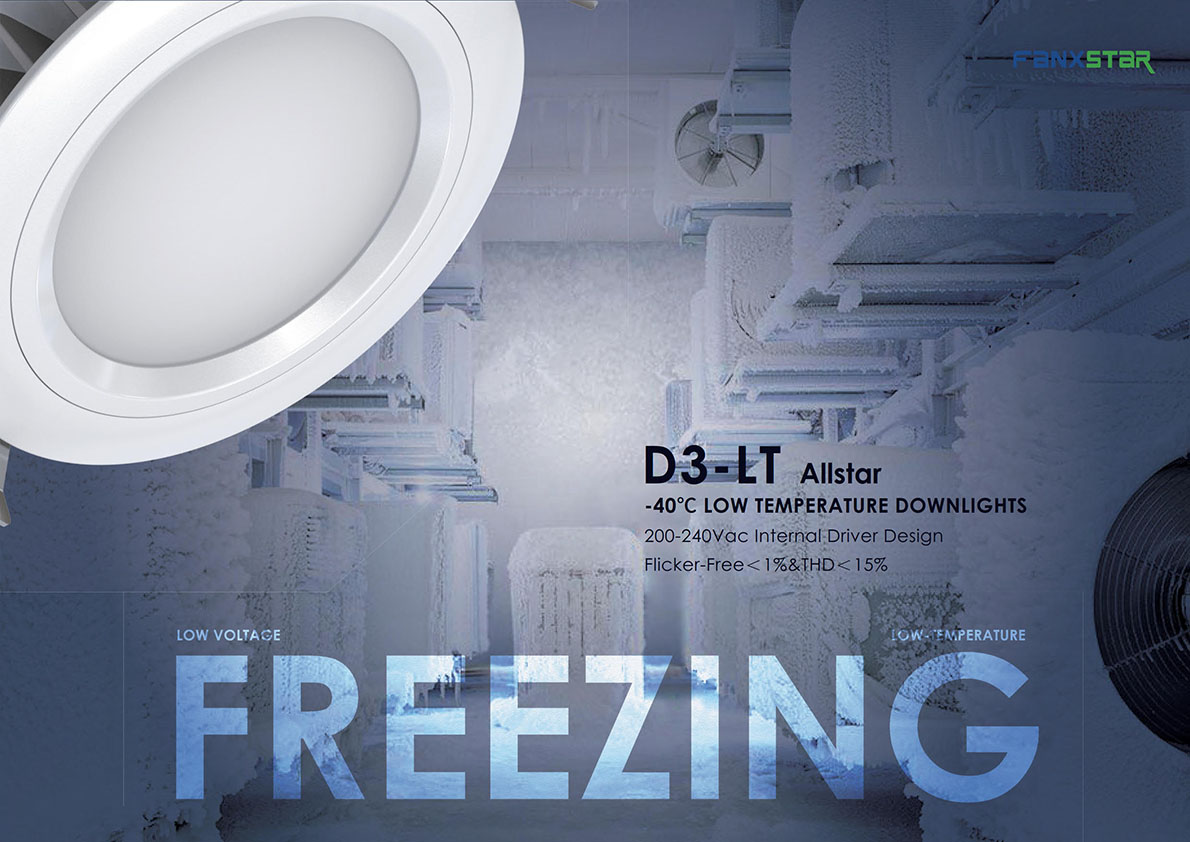
An industrial downlight gives you a reliable lighting solution for demanding environments. You see this light fixture installed directly into ceilings, which means the light points straight down. The design keeps the fixture hidden, so you get a clean look and focused illumination. You often find industrial downlights in places like factories, warehouses, and large retail stores. These settings need strong, consistent lighting to keep workers safe and productive.
Key Features of Industrial Downlights
When you choose an industrial downlight, you notice several important features:
Recessed Installation: The fixture sits flush with the ceiling. This design keeps the workspace tidy and reduces clutter.
Focused Beam: The light shines directly downward. You get bright, targeted illumination where you need it most.
Durability: Manufacturers build these fixtures to handle tough conditions. You can rely on them in areas with dust, moisture, or vibration.
Energy Efficiency: Many industrial downlights use LED technology. You save energy and reduce maintenance costs.
Versatility: You can use recessed downlights in many industrial settings. The design fits different ceiling types and heights.
Tip: If you want a lighting solution that blends into the ceiling and provides strong visibility, consider industrial downlights for your workspace.
Industrial vs. Other Downlights
You might wonder how an industrial downlight compares to other types of downlights. The differences matter when you select lighting for your facility.
Feature | Industrial Downlight | Standard Downlight |
|---|---|---|
Installation | Recessed, flush with ceiling | May be recessed or surface-mounted |
Beam Focus | Strong, direct downward | Often softer, less focused |
Durability | Built for harsh environments | Designed for homes or offices |
Application | Factories, warehouses, retail | Living rooms, offices, corridors |
Lifespan | Longer, with robust materials | Standard lifespan |
You see that industrial downlights offer more durability and a stronger beam. Standard downlights work well in homes and offices, but they may not last in tough industrial settings. If you need lighting for a workspace with heavy use, choose an industrial downlight for better performance and safety.
Downlighting Applications in Industry
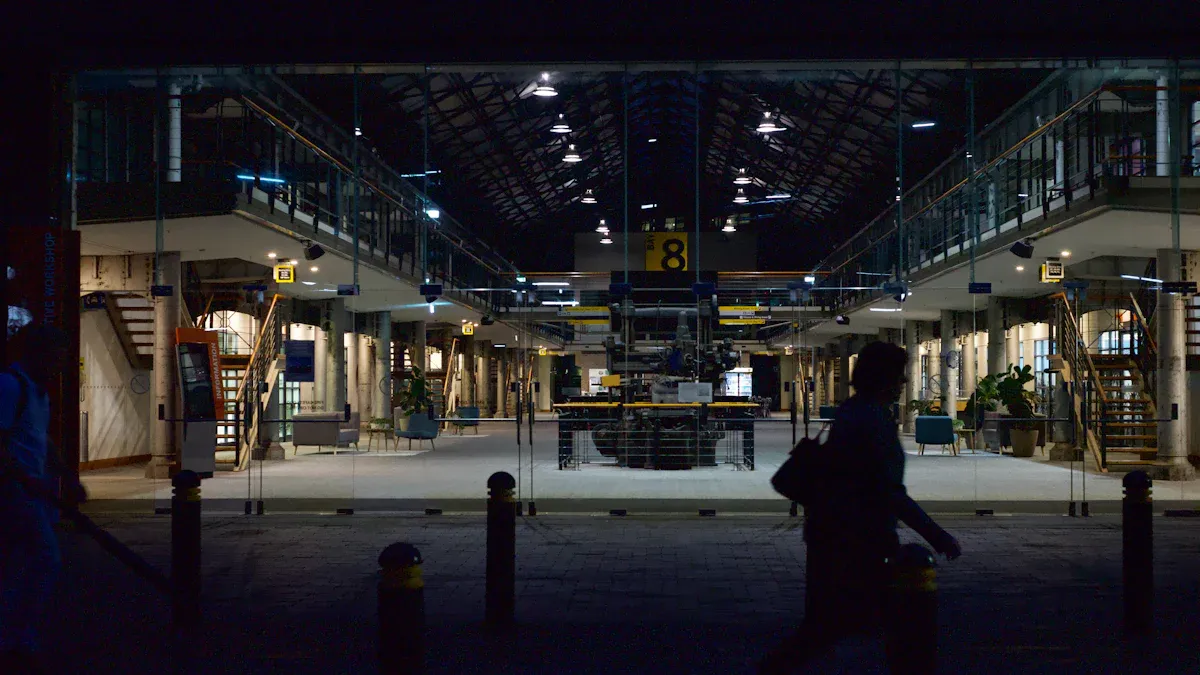
Commercial and Retail Spaces
You see downlighting used in commercial and retail spaces to create a welcoming and efficient environment. When you install an industrial downlight, you improve the visibility of products and displays. LED downlighting provides bright, focused light that makes colors look vibrant and true to life. This helps customers notice merchandise and feel comfortable while shopping. You also benefit from energy savings and lower maintenance costs because LEDs last longer than traditional bulbs.
Note: Smart LED downlighting can support advanced features like way finding and heat-mapping analytics, which help you understand customer movement and improve store layout.
Benefit | Description |
|---|---|
Energy Efficiency | LEDs consume less power, lowering electricity bills and reducing your carbon footprint. |
Longevity | LEDs last up to 50,000 hours or more, so you spend less on replacements. |
Light Quality | High CRI ensures colors appear vibrant, enhancing customer satisfaction. |
Downlighting enhances property appeal and merchandise visibility.
Supports IoT technologies for better customer engagement.
Warehouses and Manufacturing
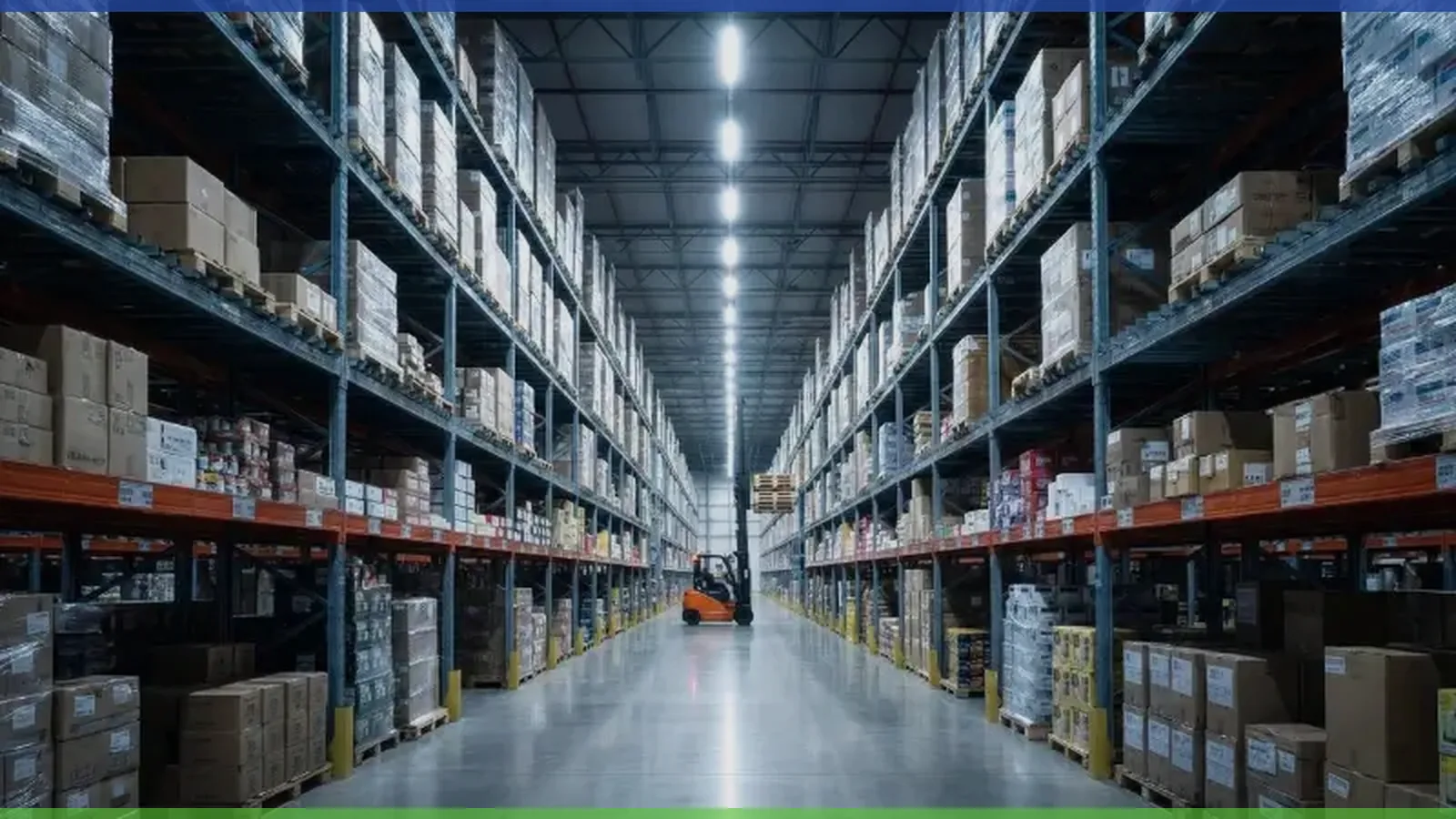
You rely on downlighting in warehouses and manufacturing facilities to keep workspaces safe and productive. Bright, uniform illumination helps you see clearly across floors, aisles, and loading docks. This reduces the risk of accidents and supports accuracy in tasks. Industrial downlights use glare-controlled beams, so you avoid eye strain and mistakes. You also experience less downtime because LED fixtures require minimal maintenance.
Feature | Benefit |
|---|---|
Improved safety | Consistent light levels across all areas |
Better productivity | Glare-controlled illumination supports accuracy and workflow |
Reduced downtime | Long-life LEDs mean fewer replacements |
You should follow recommended lighting standards for manufacturing environments. Choose downlighting with 800–1600 lumens output and color temperatures between 3000K and 6500K. These settings promote well-being and reduce light pollution. Dimming capability lets you conserve energy and prolong fixture life.
Other Industrial Settings
You find downlighting in other industrial settings such as laboratories, hospitals, and transportation hubs. In these places, you need clean, modern lighting that supports safety and efficiency. Downlighting keeps ceilings uncluttered and provides focused illumination for critical tasks. You can select fixtures made from recyclable materials to support sustainability initiatives. Long-lasting LEDs reduce waste and energy use.
Tip: Downlighting helps you maintain a tidy appearance in any industrial space, making it easier to clean and organize.
You see that downlighting adapts to many environments. Whether you manage a retail store, warehouse, or laboratory, you can use downlighting to improve visibility, safety, and the overall look of your facility.
Benefits of Industrial Downlights
Enhanced Visibility and Safety
You improve safety in your workspace when you choose downlighting. Bright, focused light helps you see hazards and avoid accidents. Studies show that adequate industrial lighting supports clear vision and accurate perception. Workers feel more alert and productive in well-lit areas. The National Safety Council reports that poor lighting causes about one in four accident-related insurance claims. When you install downlighting, you lower the risk of slips, trips, and falls. A CDC study found that LED lighting lets workers spot dangers 94% faster. You create a safer environment for everyone.
Tip: Use downlighting in high-traffic zones to help workers stay aware of their surroundings.
Energy Efficiency
You save energy and reduce costs with modern downlighting. LED technology uses less electricity than older bulbs. You spend less on utility bills and maintenance. LEDs last much longer, so you replace fixtures less often. Downlighting gives you the option to add dimming controls. You adjust light levels to match your needs and conserve power. Many facilities switch to downlighting to meet sustainability goals and lower their carbon footprint.
Feature | Benefit |
|---|---|
Lower energy use | |
Dimming Option | Adjustable brightness |
Long Lifespan | Fewer replacements |
Clean Design and Durability
You notice the clean look of recessed downlights in industrial spaces. These fixtures sit flush with the ceiling, so you keep your workspace tidy and uncluttered. Downlighting creates a modern appearance that fits many environments. You also benefit from durable construction. Manufacturers design industrial downlight fixtures to withstand dust, moisture, and vibration. You rely on them in tough conditions without worrying about frequent repairs. Downlighting supports both style and strength in your facility.
Note: Downlighting helps you maintain a professional image while meeting practical needs.
Types of Industrial Downlights
You have many types of downlighting to choose from for your industrial space. Each type offers unique features and benefits. Understanding the main types of downlighting helps you make the best choice for your needs.
Recessed Downlights
Recessed downlights are one of the most popular types of downlighting in industrial settings. You install these fixtures inside the ceiling, so only the trim and lens are visible. This design gives your workspace a clean and modern look. Recessed downlights provide focused light that shines straight down, which helps you see tasks clearly. You often use recessed downlights in areas where you want a seamless ceiling and minimal visual clutter. These fixtures work well in offices, warehouses, and retail stores.
Feature | Recessed Downlights | Surface Mounted Downlights |
|---|---|---|
Requires cutting openings in ceilings and running wiring | Easy installation, mounted directly onto surfaces | |
Visual Aesthetic | Creates a seamless, minimalist appearance | Adds a unique design aspect to the area |
Labor Intensity | More labor-intensive, often requires professional help | Suitable for DIY installation |
You may need a professional to install recessed downlights because the process can be complex. This type of downlighting is perfect when you want a tidy, modern ceiling.
Surface-Mounted Downlights
Surface-mounted downlights are another common type of downlighting. You attach these fixtures directly to the ceiling or wall. This method makes installation simple and quick. Many people choose surface-mounted downlights because they cost less and do not require major changes to the ceiling.
Advantages:
Simple installation with no need for ceiling modifications.
Many styles available for different designs.
Easy to maintain and replace bulbs.
Disadvantages:
Bulkier look that may not fit every space.
Lighting may not be as even as recessed options.
More dust can collect on exposed surfaces.
You can use surface-mounted downlights in places where you want easy access for maintenance or when you need to avoid cutting into the ceiling. This type of downlighting gives you flexibility and saves time.
LED, Fluorescent, and Incandescent Options
You also need to consider the light source when choosing types of downlighting. LED downlights are the most energy-efficient and last the longest. You save money on electricity and maintenance with LEDs. Fluorescent downlights offer good brightness and work well in large spaces, but they do not last as long as LEDs. Incandescent downlights give warm light, but they use more energy and need frequent replacement.
When you look at all the types of downlighting, you see that each one fits different needs. You can mix recessed downlights, surface-mounted fixtures, and various light sources to create the best lighting plan for your industrial space.
Choosing and Installing Downlights
Selection Factors
When you choose downlighting for your industrial space, you need to think about several important factors. Start by looking at the size and height of your area. Large spaces need more powerful fixtures to provide enough light. Check the ceiling type, since some downlights work better with certain materials. You should also consider the brightness and color temperature. Bright, cool light helps you see clearly in work areas, while warmer tones create a comfortable feel in offices or break rooms.
Think about energy efficiency. LED downlighting uses less power and lasts longer than other options. You save money on electricity and maintenance. Look for fixtures with dimming features. This lets you adjust the light level for different tasks. Durability matters, too. Choose downlights made for tough environments if you have dust, moisture, or vibration. Always check if the fixture supports smart controls or remote adjustments. These features make it easier to manage your lighting system.
Tip: Match your downlighting to the specific needs of each area. This helps you get the best performance and safety.
Installation Tips
Proper downlight installation ensures your lighting system works well and lasts longer. Follow these steps for the best results:
Check your wiring before you begin. Make sure there are no loose connections or frayed wires.
Clean your fixtures regularly. Dust and dirt can lower the efficiency of your downlighting.
Replace failed components as soon as you notice them. This keeps your lighting consistent.
Use on-board controls to adjust the intensity and direction of your downlighting.
Install recessed fittings in ceilings or walls for a clean look and effective illumination.
Add surge protection devices to guard against electrical problems.
Monitor your system often. Replace any parts that show signs of wear.
You should avoid common mistakes during downlight installation. Do not add lights to existing poles without careful planning. This can hurt lighting performance and safety. Poor wiring and bad connections can cause hazards, malfunctions, or even fires.
Note: Always follow safety guidelines and consider hiring a professional for complex downlighting projects.
You see industrial downlights as a smart choice for workspace lighting. These fixtures offer focused illumination and a clean look, especially with recessed lighting. You use them in factories, warehouses, and retail spaces to boost safety and efficiency. Experts highlight the importance of thermal management, driver quality, and certifications. Check the table below for key parameters:
Key Parameter | Importance |
|---|---|
Thermal Management | Critical for longevity and performance; poor heat dissipation can reduce lifespan and safety. |
Driver Quality | Ensures stable performance and prevents flickering; essential for reliability. |
Lifespan and Warranty | Indicates long-term performance; understand rated life and warranty terms. |
Certifications | Ensures compliance with safety and performance standards. |
Choose downlights with high-quality drivers for consistent brightness.
Look for power factor correction to save energy.
You should review your lighting needs and ask a professional for advice before installing new fixtures.
FAQ
What makes industrial downlights different from regular downlights?
You get stronger, more focused light with industrial downlights. These fixtures use tougher materials and last longer in harsh environments. You can rely on them for safety and performance in busy workspaces.
Can you install industrial downlights in any ceiling?
You can install most industrial downlights in many ceiling types. Always check the fixture’s compatibility with your ceiling material and thickness. Some ceilings may need extra support or special mounting kits.
How do you maintain industrial downlights?
Clean the lens and trim regularly to keep light output strong. Replace failed bulbs or drivers quickly. Inspect wiring and connections for safety. Schedule routine checks to prevent problems.
Are LED industrial downlights worth the investment?
You save money over time with LED downlights. They use less energy and last much longer than traditional bulbs. You also reduce maintenance and replacement costs.