In the industrial and commercial sectors, choosing the right “vapor-tight” or “tri-proof” lighting is a decision that impacts long-term operational efficiency, maintenance cycles, and workplace safety. Two of the most prominent contenders in the global market are the Philips CoreLine Waterproof series and Fanxstar’s professional Tri-proof lineup. While Philips represents a trusted heritage brand with broad availability, Fanxstar has emerged as a specialized engineering leader, focusing on ultra-high efficacy and modular smart integration. This technical guide provides a direct head-to-head comparison to help project managers determine which solution offers the best Return on Investment (ROI) for their specific facility.
Key Takeaways
-
Efficacy King: Fanxstar Pro Series achieves up to 185 lm/W, significantly outperforming Philips CoreLine’s 110-140 lm/W range.
-
Mechanical Durability: Fanxstar utilizes IK10 impact protection and IP66/IP68 seals, while CoreLine is typically IK08/IP65.
-
Installation Labor: Fanxstar’s tool-free, linkable design (up to 60 meters) reduces installation time by up to 60% compared to standard wiring.
-
Thermal Architecture: Fanxstar’s AL6063 aluminum substrates provide superior heat dissipation, extending the rated life to 100,000 hours (L70).
-
Smart Controls: Fanxstar offers advanced RF wireless grouping and Dual-PD daylight harvesting, whereas CoreLine focuses on basic PIR/DALI.
Standardization vs. Specialization: The Market Landscape
The Philips CoreLine Waterproof is designed as a “universal” solution. It is reliable, carries all necessary certifications, and is familiar to most electrical contractors. It is the safe “default” for general warehouse retrofits. However, for environments that push the limits—such as high-humidity car washes, high-vibration tunnels, or high-hygiene food processing plants—standardization is often insufficient. This is where specialized tri-proof LED fixtures from Fanxstar excel. By utilizing premium Philips Lumileds chips combined with custom thermal and driver engineering, Fanxstar provides a high-performance alternative for mission-critical industrial zones.
|
Feature |
Fanxstar Tri-proof (Pro Series) |
Philips CoreLine Waterproof |
|---|---|---|
|
Max Efficiency |
185 lm/W |
140 lm/W |
|
Ingress Rating |
IP66 / IP68 / IP69K |
IP65 |
|
Impact Resistance |
IK10 |
IK08 |
|
Chassis Material |
AL6063 Aluminum / Polycarbonate |
Polycarbonate |
|
Warranty |
7 – 10 Years |
5 Years |
Technical Deep Dive: Energy Efficiency (OPEX ROI)
Luminous Efficacy Benchmarking
Luminous efficacy (lumens per watt) is the most direct indicator of a lighting system’s operational cost. A fixture that produces 185 lm/W (Fanxstar A3) uses approximately 30% less electricity than a fixture producing 130 lm/W to achieve the same lux level on the floor. For a facility with 1,000 fixtures operating 24/7, this difference results in tens of thousands of dollars in annual energy savings. Research published in scientific journals regarding large-scale LED deployment highlights that efficacy is the primary driver of rapid payback periods.
The Semiconductor Heat Path
High efficiency is not just about light; it’s about heat. The more efficient an LED is, the less electrical energy is wasted as thermal energy. Fanxstar utilizes wide-format AL6063 aluminum substrates. Aluminum conducts heat up to 40% faster than the plastic backings found in many “value-tier” vapor-tight lights. This keeps the LED junction temperature low, preventing the “blue-shift” and lumen depreciation common in legacy LED fixtures.
Durability in Aggressive Environments
Impact Resistance: IK08 vs. IK10
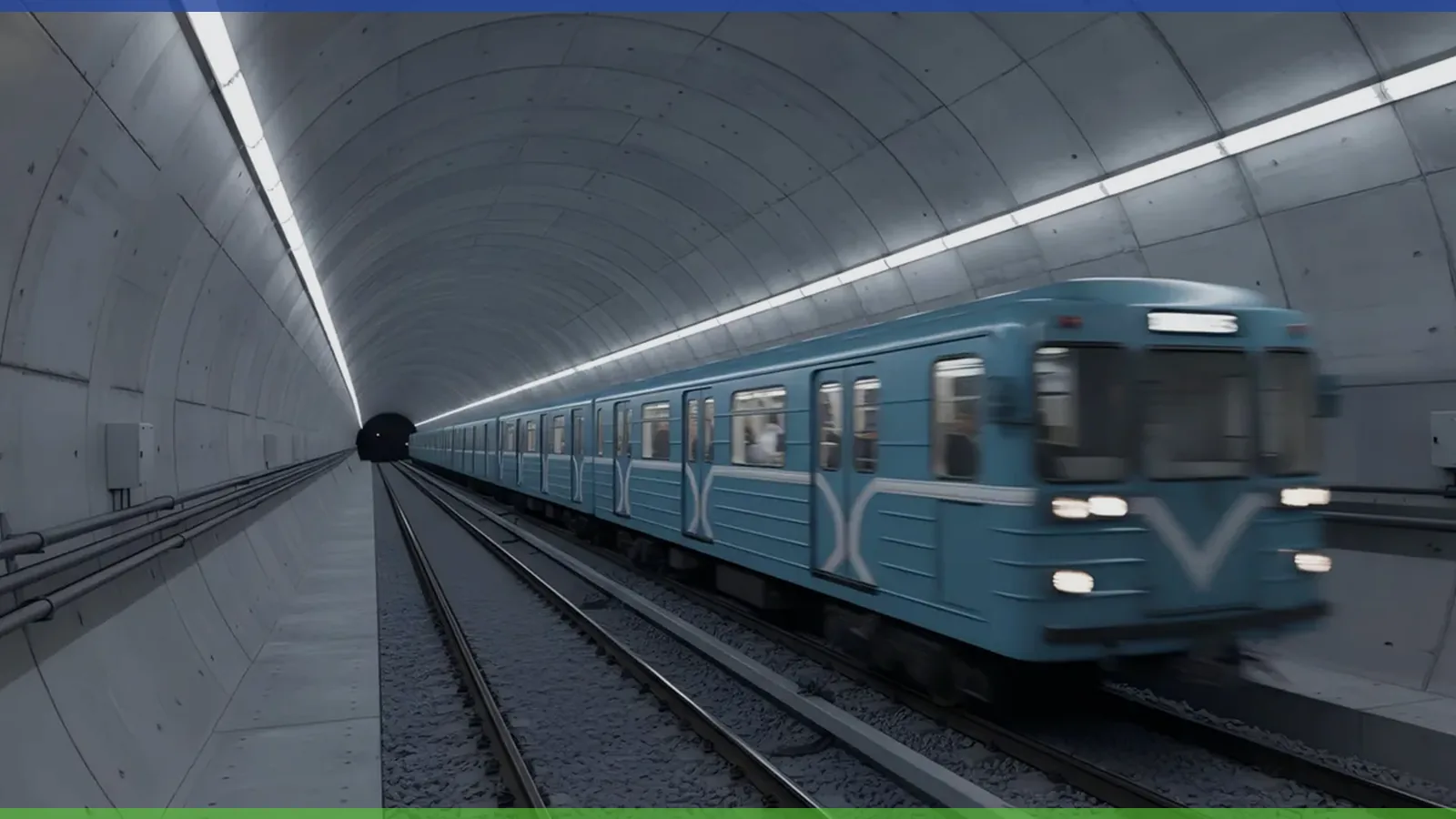
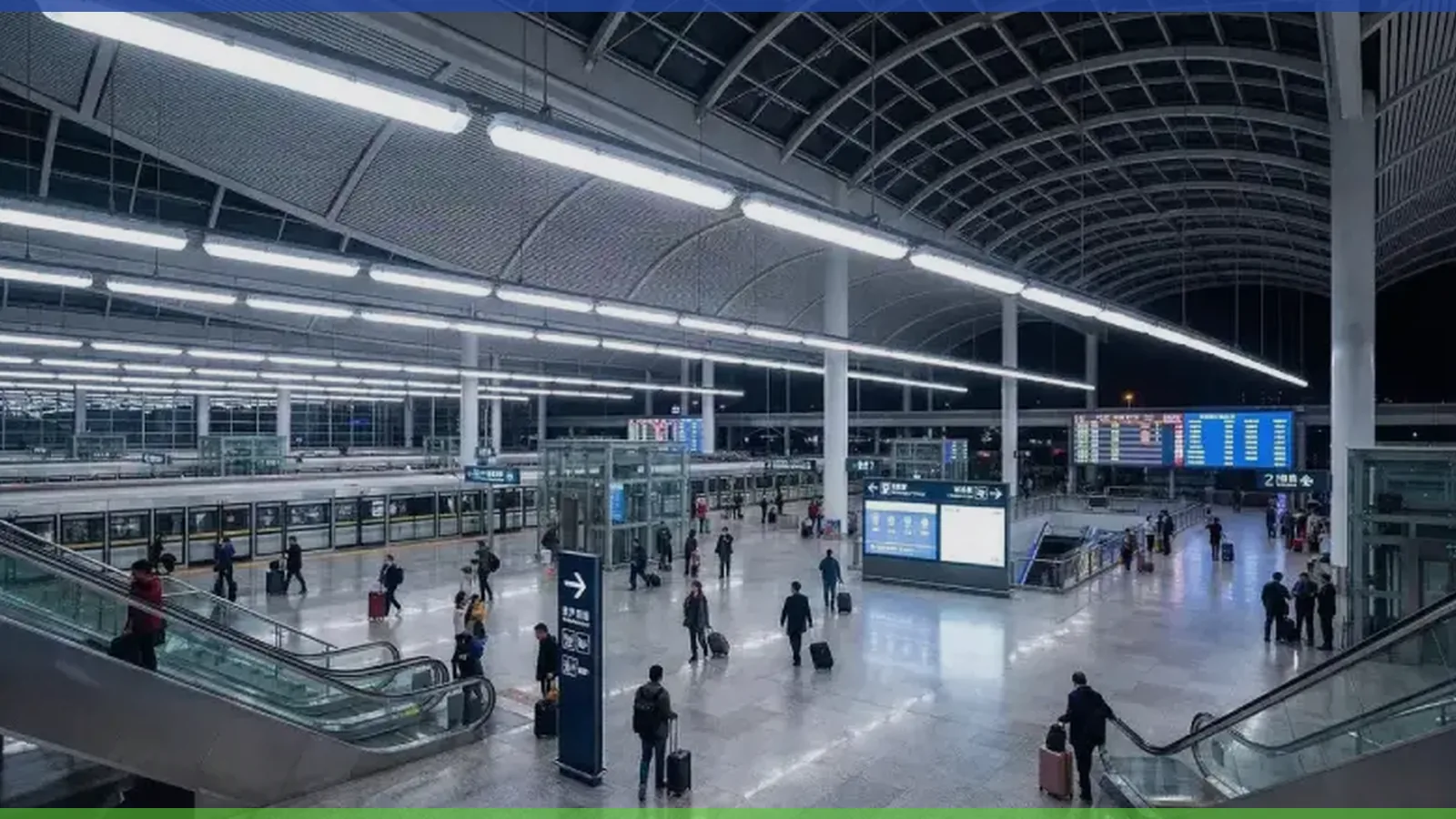
Subway stations, public corridors, and busy manufacturing plants are high-impact zones. An IK10 rating—found on Fanxstar’s Trilamp A1 and A8 series—signifies that the fixture can withstand a 20-joule impact. Philips CoreLine, rated at IK08, can handle a 5-joule impact. In facilities where forklifts operate or where vandalism is a risk, the IK10 build of Fanxstar provides essential structural insurance against breakage.
Sealing Technology and IP Ratings
Standard IP65 fixtures are “splash-proof.” However, in a car wash or food processing plant, high-pressure water jets are the norm. Fanxstar’s IP66/IP69K solutions utilize foamed-in silicone gaskets that maintain a hermetic seal even under 1,450 PSI. Furthermore, our IP68 series can survive full submersion, making them the engineering choice for marine and coastal logistics docks.
|
Industrial Hazard |
CoreLine Protection |
Fanxstar Protection |
|---|---|---|
|
High Pressure Washdown |
Limited (IP65) |
Certified (IP69K) |
|
Heavy Mechanical Impact |
Standard (IK08) |
Vandal-Proof (IK10) |
|
Corrosive Vapor |
Moderate |
Extreme (Anti-Corrosive PC) |
|
Thermal Stress (>45C) |
Derates Quickly |
Aluminum Thermal Path (Stable) |
Smart Controls and Building Integration
Sensing Technology and “Follow-Me” Lighting
Modern smart lighting controls have moved beyond simple on/off sensors. Fanxstar fixtures integrate Dual-PD (Photodiode) sensors. These sensors distinguish between the fixture’s own light and natural sunlight, enabling true “Daylight Harvesting.” When sunlight enters a warehouse window, the Fanxstar fixture dims precisely to maintain 300 lux, maximizing savings.
Additionally, our 2.4GHz RF grouping technology allows fixtures to communicate. When a person enters a long corridor, the sensors trigger the next three lights in the run wirelessly. This creates a “safe path” of light that follows the occupant—a feature typically not found in standard “out-of-the-box” Philips CoreLine units without expensive external controllers.
Installation ROI: Labor Savings
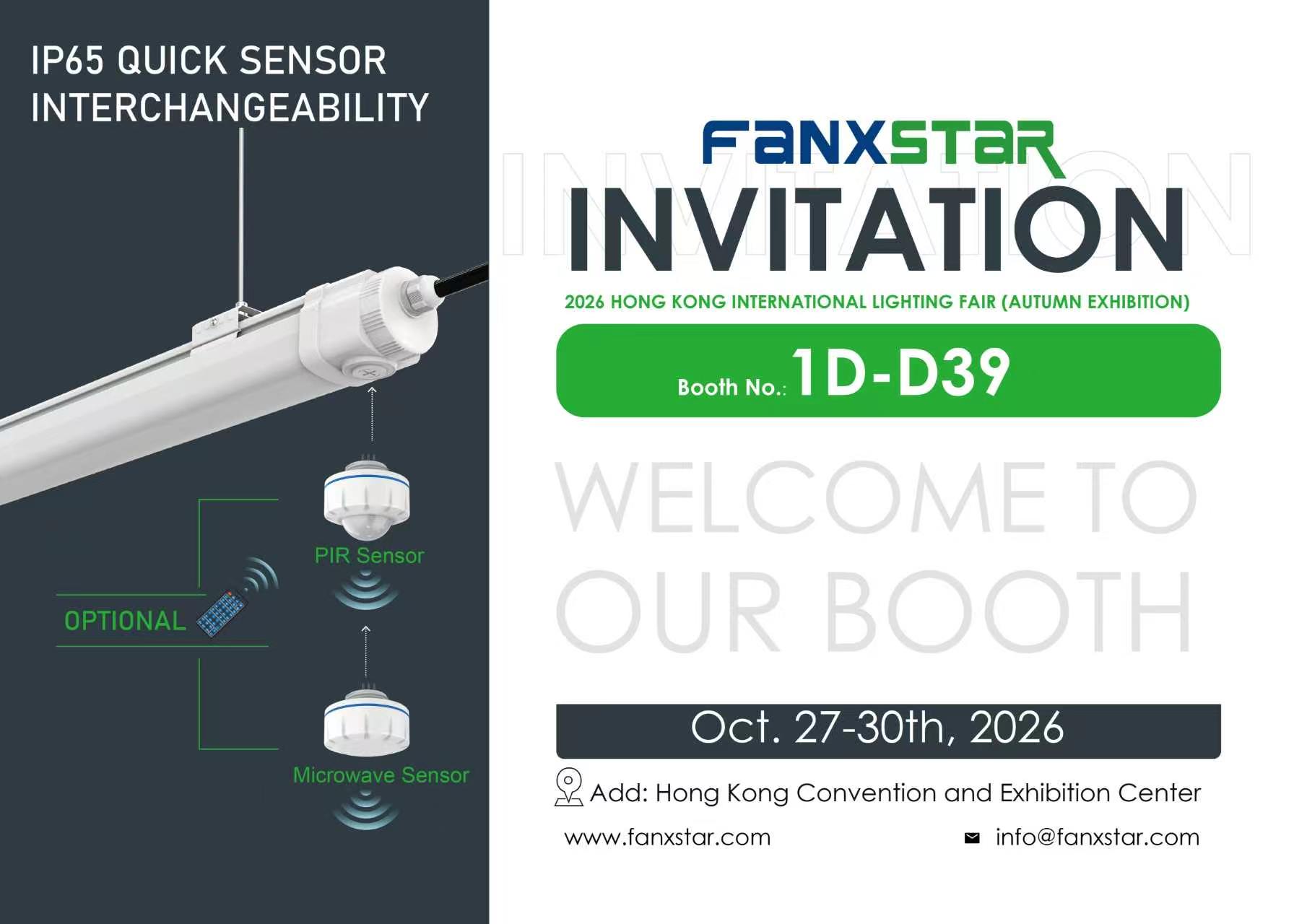
One of the largest hidden costs of a lighting project is the labor. Traditional fixtures require a separate electrical feed for every unit. Fanxstar’s Linkable Linear Lights utilize internal 3-phase or 1-phase trunking. This allows up to 30 fixtures (A16 series) or 60 meters (Batman series) to be “clicked” together end-to-end. By reducing the number of ceiling penetrations and electrical “home-runs,” Fanxstar can reduce total installation labor costs by as much as 60% compared to standard wiring protocols.
“Choosing a light fixture is a CAPEX decision, but maintaining it is an OPEX reality. The tool-free modularity of modern LED systems is the only way to safeguard your facility’s future.”
Comparison Table: Recommended Applications
|
Application Type |
Fanxstar Pro Tri-proof |
Philips CoreLine Waterproof |
|---|---|---|
|
Commercial Garage |
Ideal (IK10 / Sensors) |
Good (IP65) |
|
Food Processing |
Ideal (NSF / IP69K) |
Limited suitability |
|
Standard Storage |
High Value (Efficacy) |
Good (Ease of purchase) |
|
Car Wash Tunnel |
Specialist (IP69K) |
Not Recommended |
|
High-End Office |
Architectural (Seamless) |
Functional (Standard) |
Cost Analysis: CAPEX vs. OPEX
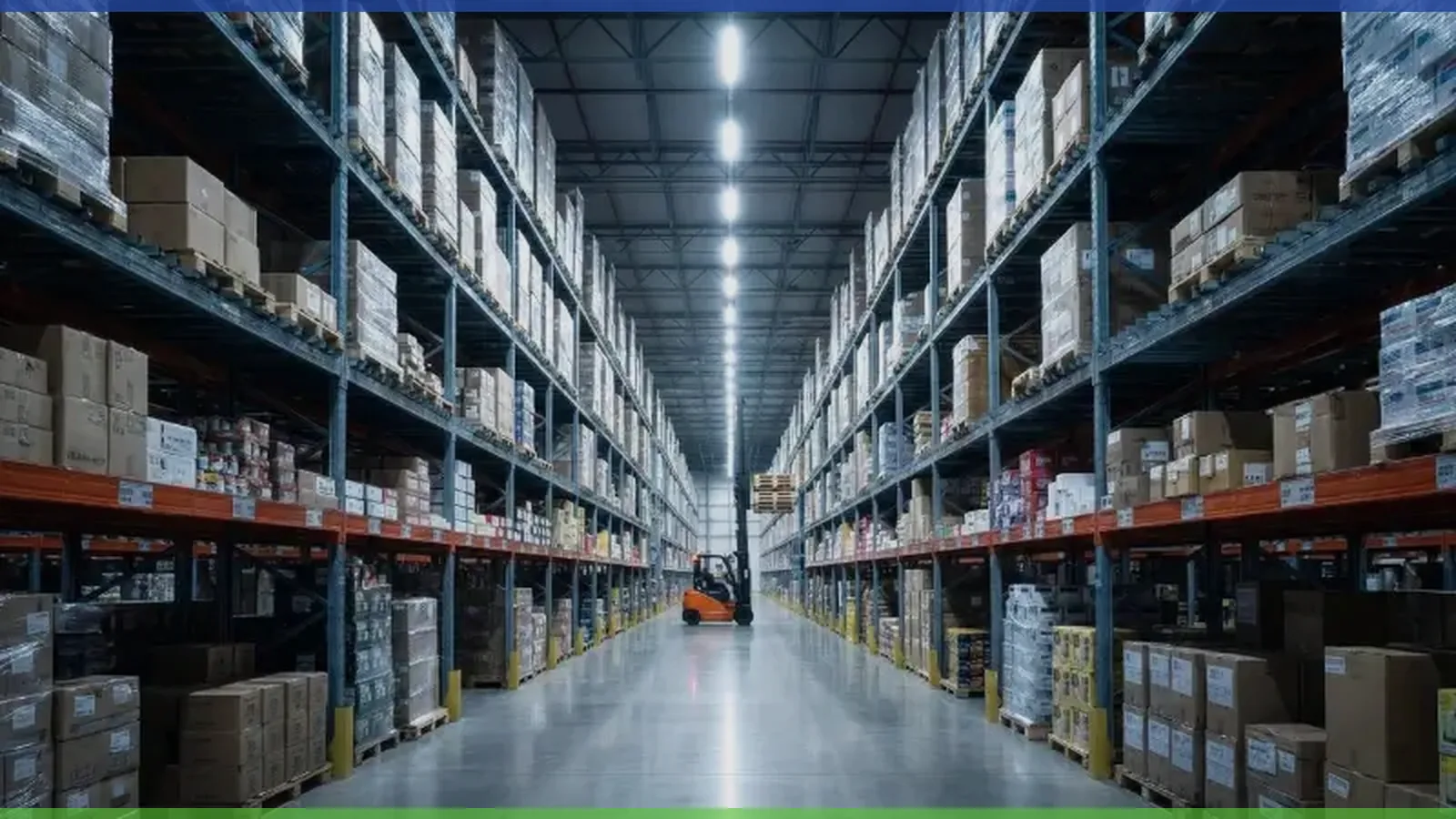
Initial pricing often favors the Philips CoreLine due to the economy of scale in their manufacturing. However, when you perform a Life Cycle Cost Analysis (LCCA), the higher efficacy of Fanxstar (185 lm/W vs 130 lm/W) often results in a “break-even” point in under 12 months solely through energy savings. When you factor in the extended 7-10 year warranty and the labor savings from tool-free installation, Fanxstar typically delivers a lower Total Cost of Ownership over a decade.
Conclusion: Which Brand Should You Choose?
The decision between Philips and Fanxstar depends on the project’s complexity. For a small office basement or a simple residential garage where brand trust and a quick pickup from a local wholesaler are the priorities, Philips CoreLine Waterproof is an excellent, reliable choice. However, for industrial facilities, high-bay warehouses, and large-scale infrastructure projects where energy efficiency, impact resistance, and smart controls are the primary drivers, Fanxstar Tri-proof lights offer a clearly superior technical solution. By prioritizing specialized engineering and modular versatility, Fanxstar ensures your lighting infrastructure is a performance asset rather than a maintenance burden.
FAQ
Does Fanxstar use Philips drivers?
Yes. Many of our professional series fixtures utilize Philips Xitanium or Osram Optotronic drivers, combining world-class power electronics with Fanxstar’s proprietary tri-proof housing and thermal engineering.
Can I link Philips CoreLine fixtures end-to-end?
Standard CoreLine units are typically single-ended and require external wiring or custom trunking for series connections. Fanxstar A16 and Batman series are designed for native tool-free linking out of the box.
What is the difference between IP65 and IP66?
IP65 protects against low-pressure water splashes (rain). IP66 protects against high-pressure powerful water jets (industrial hosing). For active wash-down areas, IP66 is the minimum technical requirement.
Is DALI-2 available on both brands?
Yes. Both Philips and Fanxstar offer DALI and DALI-2 dimmable versions. Fanxstar also offers advanced wireless grouping as a non-wired alternative to DALI.
Which fixture is better for cold storage?
Fanxstar’s professional series are rated down to -40C. While CoreLine has cold-room versions, Fanxstar’s aluminum thermal path is specifically designed to handle the vacuum-pressure changes common in deep-freeze environments.