In the global procurement of industrial lighting, the price gap can be staggering. A premium European luminaire from a manufacturer like Trilux can cost four to five times more than a generic alternative sourced from a trading site. For facility managers and architects, this leads to a critical question: is the brand premium an investment in quality, or simply a payment for a prestigious label? In 2026, the answer has become nuanced. While “generic” brands still pose significant risks, a new category of specialized Chinese manufacturers has emerged, matching European technical standards while maintaining the efficiency of the Chinese supply chain.
This guide analyzes the technical and economic differences between Trilux, uncertified generic imports, and specialized engineering-focused brands like Fanxstar. We examine the reality of “Circular Design,” component parity, and the true cost of failure in high-stakes environments like warehouses and tunnels.
Key Takeaways
-
Generic vs. Specialized: There is a massive quality gap between “Generic” (unbranded/low-bin) and “Specialized” (high-efficacy/certified) Chinese manufacturers.
-
Component Parity: Specialized brands utilize the same premium chips (Nichia, Lumileds) and drivers (Philips, Osram) as Trilux, offering identical electrical reliability.
-
Sustainability: Trilux excels in “Circular Design” and Lighting-as-a-Service (LaaS), ideal for projects prioritizing LEED or Cradle-to-Cradle certification.
-
Certification Audit: Never buy uncertified generics. High-end alternatives must carry UL, ENEC, and TUV marks to ensure fire and electrical safety.
-
ROI Benchmark: Specialized Chinese brands often provide a faster ROI (12-14 months) compared to premium brands, without sacrificing IK10/IP66 durability.
The Three Tiers of the 2026 Lighting Market
1. Premium European Brands (e.g., Trilux)
Trilux represents the pinnacle of the European lighting tradition. Their focus is on Human-Centric Lighting (HCL), sophisticated architectural aesthetics, and sustainability. They don’t just sell a box; they sell a system integrated with building management protocols. Their premium price includes extensive local support, comprehensive photometric planning services, and “future-proof” circularity where every component is replaceable.
2. Specialized High-End Manufacturers (e.g., Fanxstar)
This tier has closed the technical gap. Manufacturers in this category focus exclusively on specialized niches like tri-proof and emergency lighting. They utilize vertical integration—extruding their own aluminum and owning SMT lines—to control quality while utilizing the same premium internal components found in European brands. They are the “middle ground,” offering 185 lm/W efficacy and IK10 durability without the 300% brand markup.
3. Generic Trading Brands
These are the high-risk entries. Often uncertified and sourced from “open-mold” factories, these products prioritize the lowest possible purchase price. They typically use low-bin LED chips that suffer from rapid color shift and cheap drivers with high THD (Total Harmonic Distortion), which can damage your facility’s electrical grid.
|
Feature |
Premium (Trilux) |
Specialized (Fanxstar) |
Generic (Trading Co) |
|---|---|---|---|
|
Luminous Efficacy |
140 – 160 lm/W |
160 – 185 lm/W |
100 – 120 lm/W |
|
Lifespan (L80B10) |
100,000h |
75,000 – 100,000h |
< 25,000h (Unverified) |
|
Sustainability |
Circular Design |
Modular/Recyclable |
Disposable |
|
Certifications |
TUV, ENEC, UL |
TUV, ENEC, UL, SAA |
Often self-declared CE only |
The Reality of “Component Parity”
One of the best-kept secrets in the lighting industry is that the “ingredients” of a high-quality light are globally sourced. A Trilamp A8 from Fanxstar and a premium fixture from Trilux may both use Philips Xitanium drivers and Nichia LED chips. When the internal electronics are identical, the “Brand Premium” is no longer about electrical reliability—it is about the housing design, the warranty service, and the company’s ESG (Environmental, Social, and Governance) profile.
Specialized Chinese brands have invested heavily in Thermal Management Design, utilizing AL6063-T5 aluminum alloys that conduct heat 40% faster than standard plastics. This ensures that even though the fixture is more affordable, the LED junction temperature remains within the safe zone to prevent lumen depreciation.
Sustainability: The “Circular” Edge
Where premium European brands like Trilux truly lead is in the Circular Economy. Their products are designed for the “20-year building lifecycle.” If an LED module fails in 2030, Trilux ensures that a compatible replacement module will be available. This reduces the carbon footprint by preventing the “rip-and-replace” cycle.
Specialized alternatives have responded by adopting Modular Maintenance. For example, the Batman B1 series allows the driver and LED strip to be hot-swapped without tools. This matches the functional benefits of circularity while offering a significantly lower capital entry point for sustainable lighting projects.
|
Evaluation Metric |
Trilux Impact |
Specialized China Impact |
|---|---|---|
|
Recyclability |
95%+ Material recovery |
High (Aluminum/PC) |
|
Repairability |
Professional service kits |
Tool-free modular swap |
|
Smart Integration |
Interact / LiveLink |
DALI-2 / Zigbee / Bluetooth Mesh |
The Cost of Failure in Industrial Environments
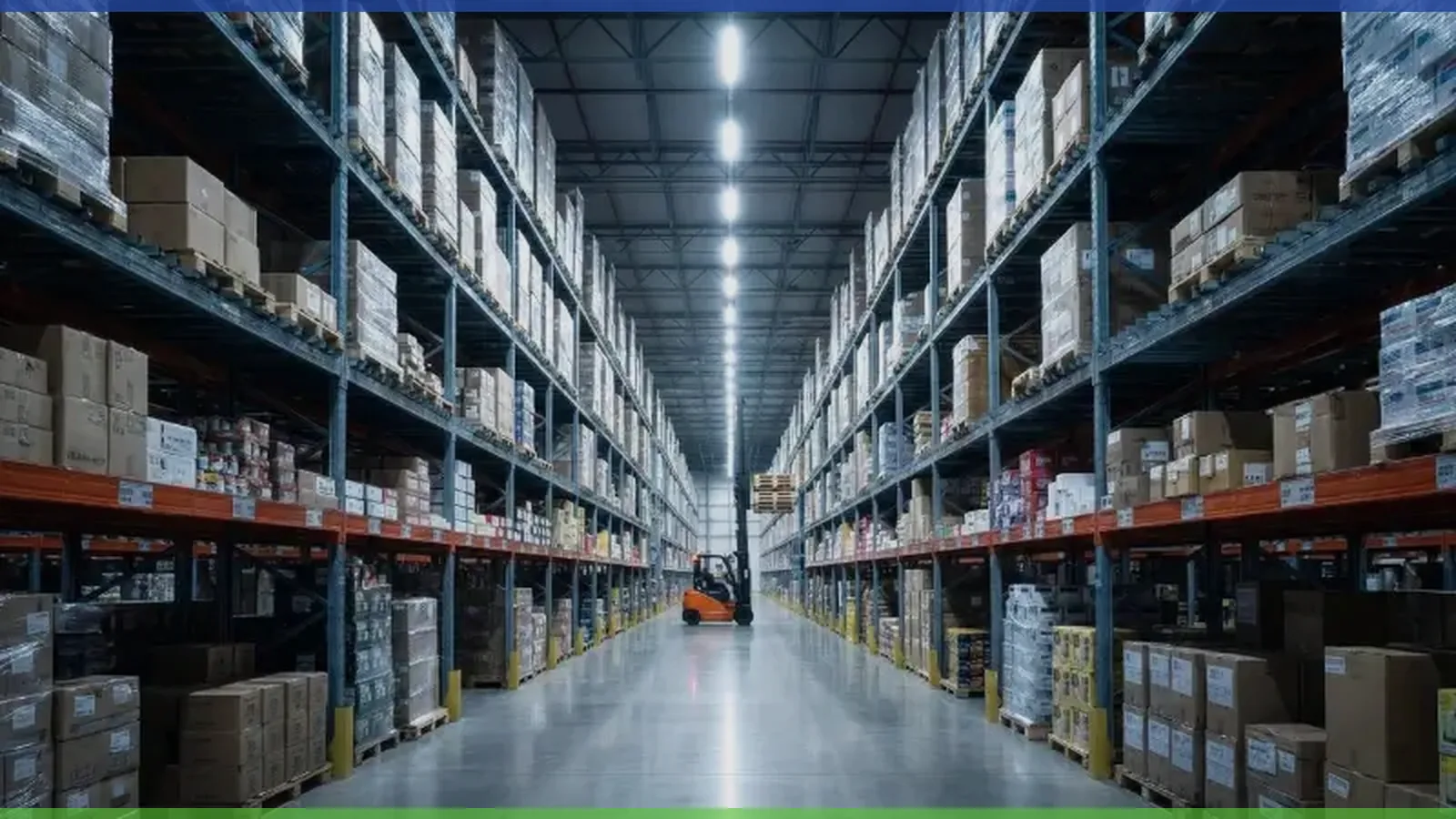
In a 100,000 sq. ft. warehouse, the purchase price of the lights is only a fraction of the cost. The real expenses are installation labor and maintenance downtime.
-
Installation ROI: High-end alternatives like the Trilamp A16 series utilize tool-free through-wiring. A two-man team can install 100 meters of lighting in under an hour. A generic light requiring manual wiring at every junction will triple your labor bill.
-
Maintenance Downtime: If a generic light fails in a busy tunnel or a food processing plant, you must hire a scissor lift and disrupt production. A “cheap” light becomes the most expensive item in the building the moment it fails.
“Buying a light without a TUV or UL certification is not a saving; it’s a liability that hasn’t happened yet.”
When the Brand Premium is Worth It
Trilux and Zumtobel are the correct choices for:
-
Flagship Corporate HQ: Where the architectural lighting is a core part of the brand identity.
-
Healthcare & Wellness: Where specialized melanopic light levels (HCL) are required for patient recovery.
-
Municipal Infrastructure: Where 20-year “Lighting-as-a-Service” contracts are required for public accounting.
When Specialized Chinese Brands are the Smart Choice
Manufacturers like Fanxstar are the logical choice for:
-
Logistics & Warehousing: Where 185 lm/W efficacy and long-run linkability provide the fastest payback.
-
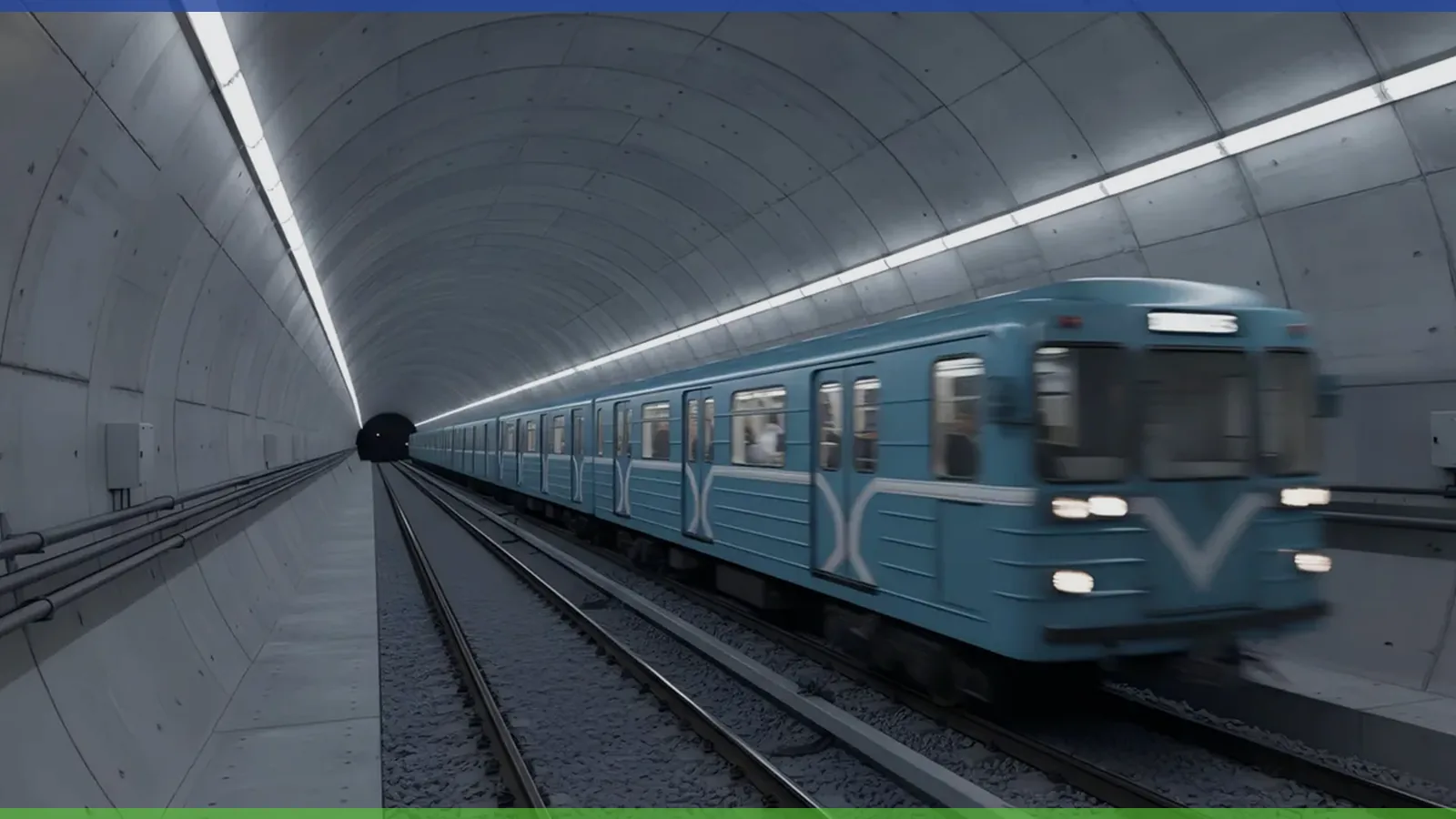
Underground Parking & Tunnels: Where IK10 impact protection and vibration-proof LED reliability are paramount.
-
Food & Pharma: Where NSF-certified IP69K wash-down resistance is needed at an industrial scale.
|
Project Goal |
Ideal Solution |
Reasoning |
|---|---|---|
|
Maximized Efficiency |
Trilamp A3 (185 lm/W) |
Lowest possible utility bill |
|
Architectural Beauty |
Trilux / Zumtobel |
Bespoke design and finish |
|
Rugged Durability |
Trilamp A8 (IP66/IK10) |
Built for foundries and mills |
|
Quick Payback |
Batman B2 Series |
High performance at mid-market cost |
Conclusion: Decoding the True Value
The “Brand Premium” is worth it when you are buying a long-term service ecosystem. However, for technical performance, specialized Chinese brands have effectively leveled the playing field. By prioritizing high-efficacy LED linear lights that carry legitimate international certifications and offer modular maintenance, project managers can achieve “European Quality” performance at a price that maximizes the project budget. The only wrong choice is the “Generic” brand; in the world of industrial lighting, if the price seems too good to be true, the safety and longevity almost certainly are. Choosing a smart lighting strategy with the right balance of brand and performance is the key to building a safe, efficient, and profitable future.
FAQ
How do I verify if a Chinese brand is ‘Specialized’ or ‘Generic’?
Check their patent portfolio and international certifications (TUV, ENEC). A specialized manufacturer will have original designs and proof of third-party laboratory testing. Generics often use “open-mold” designs shared by multiple trading companies.
Is the warranty support from China reliable?
Yes, if the brand is established. Professional manufacturers like Fanxstar maintain international service partners and have clear warranty protocols. Always request the “Warranty Procedure” document before signing a contract.
Can specialized Chinese brands integrate with DALI systems?
Absolutely. High-end Chinese fixtures utilize standardized DALI-2 drivers, ensuring they are 100% compatible with existing building automation systems from brands like Zumtobel or Schneider.
Does high efficacy (lm/W) shorten the life of the LED?
Actually, it extends it. Higher efficacy means the LED chip is converting more electricity into light and less into heat. Lower heat equals a longer-lasting semiconductor.
What is ‘IK10’ and why is it important?
IK10 is the highest standard for impact resistance. It means the fixture can survive a 20-joule strike. This is essential for preventing downtime in areas with forklifts or high vandalism risks.